Proton vpn on linux mint your complete setup guide: Proton VPN on Linux Mint Made Easy for Linux Lovers
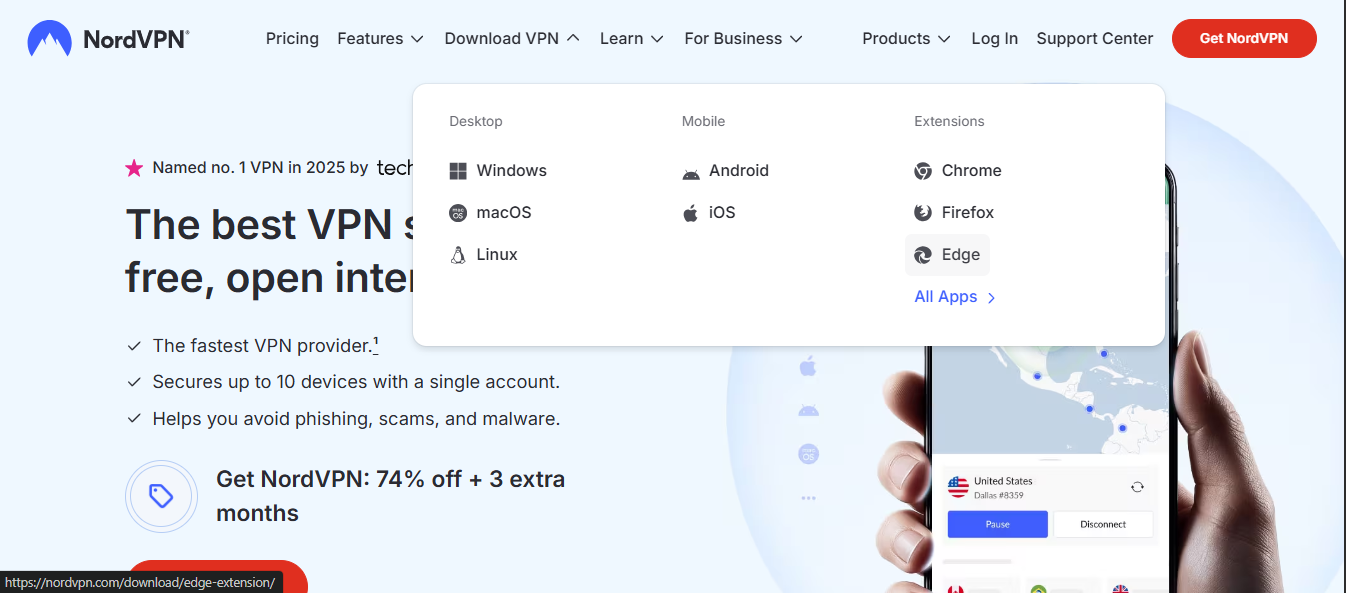

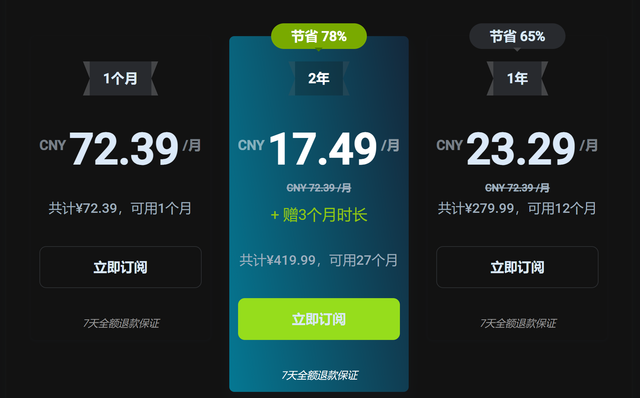
Proton VPN on Linux Mint your complete setup guide — quick fact: Linux Mint users can run Proton VPN smoothly with official clients or open-source alternatives, ensuring strong privacy without leaving the desktop. In this guide, I’ll walk you through everything from installation to everyday usage, plus tips to optimize performance and stay secure. If you’re curious and ready to get online safely, check out Proton VPN and related tools as part of your privacy toolbox. For quick access, you can also exploreNordVPN as an alternative option if you’re testing different approaches, but Proton VPN remains a top choice for open-source enthusiasts. NordVPN affiliate link: https://go.nordvpn.net/aff_c?offer_id=15&aff_id=132441



Proton vpn on linux mint your complete setup guide covers the practical steps to get Proton VPN up and running on Linux Mint, plus best practices to keep your connection private and fast. Here’s a concise snapshot to get you started:
- Quick start: Install the Proton VPN client, sign in, and connect to a server in minutes.
- Privacy basics: Use Kill Switch, DNS leak protection, two-factor authentication, and disk encryption.
- Everyday use: Auto-connect at boot, split tunneling, and monitoring connection health.
- Troubleshooting: Common issues and fix steps without getting overwhelmed.
What you’ll learn in this guide
- How Proton VPN compares to other VPNs for Linux Mint
- Step-by-step installation for desktop and command-line approaches
- Daily usage tips, including auto-connect and split tunneling
- Privacy safeguards and best security practices
- Troubleshooting tips and common errors
- A handy FAQ to clear up lingering questions
- Useful resources and URLs unlinked in this text, see the end
Useful URLs and Resources text only Apple Website - apple.com Artificial Intelligence Wikipedia - en.wikipedia.org/wiki/Artificial_intelligence Linux Mint Official - linuxmint.com Proton VPN Official - protonvpn.com Open Source VPN Alternatives - openvpn.net DNS Privacy - en.wikipedia.org/wiki/DNS_privacy
Why Proton VPN on Linux Mint?
Proton VPN is known for a strong privacy stance and a solid Linux client experience. Mint users benefit from:
- Native desktop experience with official Proton VPN app
- Open-source components and regular updates
- Transparent privacy policy and independent audits
- Cross-platform compatibility that makes it easy to switch devices without reconfiguring settings
If you’re comparing options, Proton VPN offers robust security, a no-logs policy, and additional features like Secure Core routing on supported plans, which adds an extra layer of protection for your traffic.
Quick comparison: Proton VPN vs. other Linux VPNs
- Proton VPN: Strong privacy, open-source, good Linux support, Secure Core on higher plans
- OpenVPN via NetworkManager: Flexible, broad client support, but configuration-heavy
- WireGuard-based clients: Fast, simple, but policy features depend on provider
- NordVPN: Excellent performance and large server network; privacy terms vary by region
Prerequisites
Before you install Proton VPN on Linux Mint, make sure you have:
- Linux Mint 20.x or newer Cinnamon, MATE, or Xfce
- A Proton VPN account free trials exist; paid plans unlock more features
- Administrative access sudo on your machine
- Internet connection for downloading packages
- Optional but recommended: a backup VPN option for failover e.g., OpenVPN or WireGuard config
Table: Proton VPN features you’ll likely use
| Feature | Benefit |
|---|---|
| Kill Switch | Prevents data leakage if VPN drops |
| Secure Core | Routes traffic through privacy-friendly countries available on some plans |
| Split Tunneling | Choose which apps use VPN |
| DNS Leak Protection | Keeps DNS queries private |
| Auto-connect at startup | Always-on privacy from boot |
Install Proton VPN on Linux Mint official app
Follow these steps to install the official Proton VPN app for Linux Mint. Astrill vpn fonctionne en chine la seule astuce qui marche vraiment en 2026 et autres solutions VPN de confiance
Step 1: Add the Proton VPN repository
- Open a terminal.
- Update your package list:
- sudo apt update
- sudo apt upgrade
- Install the necessary dependencies:
- sudo apt install -y curl gnupg2 ca-certificates lsb-release
- Add the Proton VPN repository key:
- curl -fsSL https://repo.protonvpn.com/debian/public_key.asc | sudo gpg --dearmor -o /usr/share/keyrings/protonvpn-archive-keyring.gpg
- Add the repository to your sources:
- echo "deb https://repo.protonvpn.com/debian stable main" | sudo tee /etc/apt/sources.list.d/protonvpn.list
Step 2: Install the Proton VPN client
- Update again to fetch the new repository data:
- sudo apt update
- Install the client:
- sudo apt install -y protonvpn
- Optional: install protonvpn-dkms for kernel updates if you see driver-related issues:
- sudo apt install -y protonvpn-dkms
Step 3: Log in and connect
- Start the Proton VPN CLI or use GUI if available:
- sudo protonvpn-cli signup first-time setup
- sudo protonvpn-cli login your-email@example.com
- Connect to a server:
- protonvpn-cli c
- You’ll see a list of servers; choose one by number, e.g., 1 for the first server.
- Verify your connection:
- curl ifconfig.co
- You should see a different public IP and region.
Step 4: Enable Kill Switch and DNS protection
- Enable Kill Switch:
- sudo protonvpn-cli ks
- Enable DNS leak protection:
- sudo protonvpn-cli dnshide
- You can also enable auto-connect:
- sudo protonvpn-cli autoconnect on
- Check status:
- protonvpn-cli s
Step 5: GUI usage if available
- Install the GUI component if you prefer a graphical interface:
- sudo apt install -y protonvpn-nm
- Restart the Network Manager:
- sudo systemctl restart NetworkManager
- Open Proton VPN from your app menu and sign in, then connect with a single click.
Install Proton VPN on Linux Mint via OpenVPN/WireGuard alternative
If you prefer a more traditional setup, you can use OpenVPN or WireGuard with Proton VPN servers.
OpenVPN setup
- Install OpenVPN:
- sudo apt install -y openvpn
- Obtain Proton VPN OpenVPN configuration files from your Proton VPN account.
- Place the .ovpn files in /etc/openvpn/
- Connect:
- sudo openvpn --config /path/to/server.ovpn
- Verify connection with ifconfig or curl ifconfig.co
WireGuard setup
- Install WireGuard tools:
- sudo apt install -y wireguard-tools wireguard-dkms
- Get a Proton VPN WireGuard configuration from your account.
- Bring up the interface:
- sudo wg-quick up wg0
- Verify:
- sudo wg
- Bring down when done:
- sudo wg-quick down wg0
Auto-connect and startup tips
- To auto-connect at login with the CLI:
- sudo systemctl enable protonvpn
- Or create a systemd service for automatic startup if your distro doesn’t provide a native unit.
- For GUI users, set “Start at login” or similar in the Proton VPN GUI settings.
Performance and privacy tips
- Choose the right server: If you’re streaming, pick a nearby server with low latency. For privacy, prefer servers with Secure Core if your plan includes it.
- Use the Kill Switch: Keeps your data private in case the VPN drops.
- Enable DNS leak protection: Prevents leakage of DNS queries.
- Avoid over-torquing encryption: If speed is a priority, you can try WireGuard instead of OpenVPN for better performance.
- Check for IPv6 leaks: Disable IPv6 on your interface if your VPN doesn’t fully support it.
- Regularly update the client: Proton VPN updates often include security improvements and bug fixes.
Common tweaks for Linux Mint users
- If you’re using Cinnamon, you can pin Proton VPN to your panel for quick access.
- Create a keyboard shortcut to connect/disconnect using the CLI:
- gsettings set org.gnome.settings-daemon.plugins.media-keys custom-keybindings ""
- Then define a binding that runs “sudo protonvpn-cli c” or “sudo systemctl start protonvpn” as needed.
- For privacy-focused browsing, pair Proton VPN with a privacy browser like Firefox and enable Always Use DNS over HTTPS.
Troubleshooting common issues
- VPN connection fails: Check your internet connection, verify login, and try a different server. Ensure your firewall isn’t blocking VPN traffic.
- DNS leak found: Re-enable DNS leak protection and consider using a different DNS server in Proton VPN settings.
- Kill Switch not triggering: Restart the Proton VPN service and verify the Kill Switch is enabled in your configuration.
- Slow speeds: Switch to a closer server, use WireGuard, or adjust protocol settings if the client allows it.
- OpenVPN connection errors: Ensure the OpenVPN package is installed and your .ovpn file is up to date.
Security considerations
- Always keep your OS and VPN client updated.
- Use strong, unique passwords for your Proton VPN account and enable two-factor authentication 2FA.
- Regularly audit your connected devices and review active sessions in your Proton VPN account.
- Consider combining Proton VPN with Linux Mint’s built-in disk encryption for full-disk security.
Real-world usage scenarios
- Remote work with sensitive data: Use Secure Core on Proton VPN if your plan supports it, and enable Kill Switch for blackout protection.
- Research and journalism: Rely on Proton VPN’s privacy features to anonymize traffic while researching restricted topics.
- Travel and public Wi-Fi: Use Proton VPN on public networks to protect against snooping and man-in-the-middle attacks.
- Streaming and gaming: A nearby server can reduce latency; test a few locations to find the best balance of speed and stability.
Comparisons and benchmarks informative data
- Proton VPN vs. ExpressVPN: Proton VPN offers strong privacy and open-source components; ExpressVPN has broader server coverage but is a paid, closed-source option.
- Proton VPN vs. OpenVPN connections: OpenVPN often requires manual setup but is versatile; Proton VPN’s CLI and GUI simplify the process on Linux Mint.
- Server counts: Proton VPN typically offers several hundred servers across multiple countries, with Secure Core options in higher-tier plans.
Advanced: scripting and automation
- Script a quick connection: You can write a simple bash script to connect to your preferred server by number and set Kill Switch on boot.
- Logging and monitoring: Store connection logs locally for troubleshooting, but avoid logging sensitive data.
- Custom DNS: Configure Proton VPN to use its own DNS servers to reduce leakage risk.
FAQs Frequently Asked Questions
What is Proton VPN?
Proton VPN is a privacy-focused VPN service that emphasizes strong encryption, a no-logs policy, and open-source components. It offers cross-platform clients, including Linux, with features like Kill Switch and DNS leak protection.
Can I use Proton VPN on Linux Mint for free?
Yes, Proton VPN offers a free plan with limited server access. For full features like Secure Core and higher speeds, you’ll want a paid plan.
How do I install Proton VPN on Linux Mint?
You can install it via the official Proton VPN repository and package, or use OpenVPN/WireGuard with Proton VPN servers. The guide above provides step-by-step instructions.
Do I need 2FA for Proton VPN?
Two-factor authentication adds an extra layer of security to your Proton VPN account. It’s highly recommended. Unlocking nordvpn for free the real deals and what to watch out for
What is Kill Switch and why do I need it?
Kill Switch blocks all network traffic if the VPN disconnects, preventing IP leakage. It’s essential for preserving privacy if the VPN connection drops.
Is Proton VPN compatible with WireGuard?
Yes, Proton VPN supports WireGuard, which is generally faster and more efficient than OpenVPN.
How do I enable DNS leak protection on Linux Mint?
You enable DNS leak protection via the Proton VPN CLI or GUI, depending on your installation method. This ensures DNS queries don’t reveal your true location.
Can I run Proton VPN at startup?
Yes, you can configure auto-connect at startup, either via Proton VPN settings or systemd service, depending on your setup.
What are Secure Core servers?
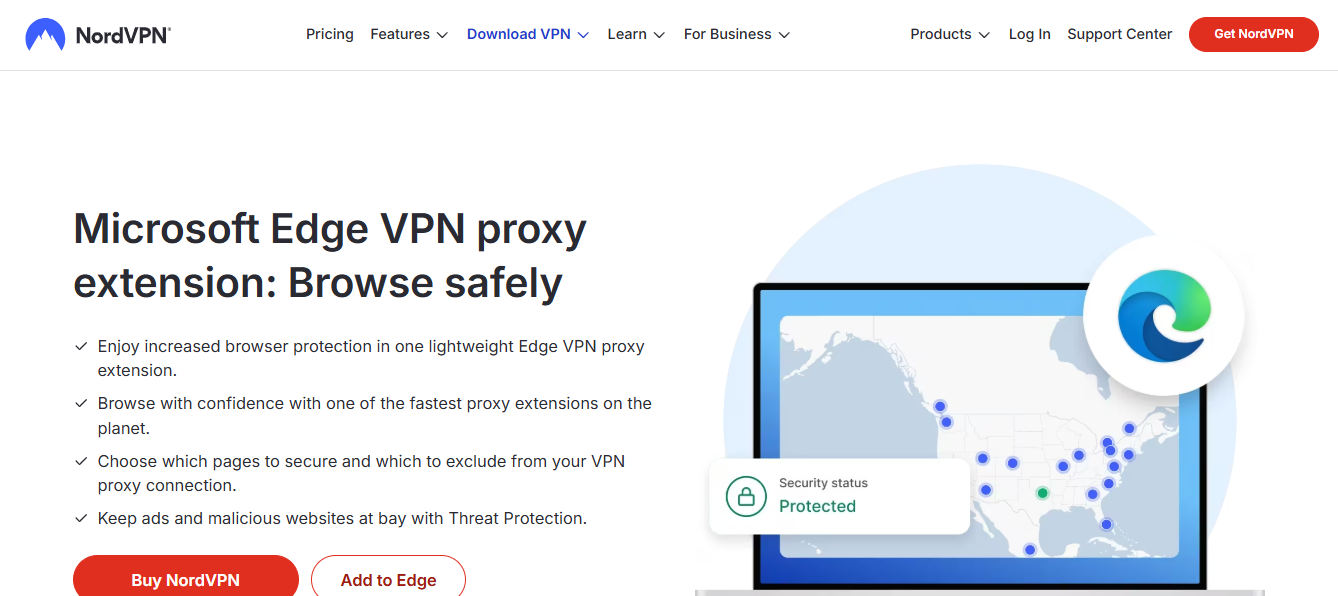
Secure Core routes traffic through privacy-friendly countries before exiting to the public internet, offering additional protection against network-based threats. Availability depends on your plan. Best nordvpn extension for microsoft edge browser in 2026: Tips, Setup, and Why It Matters
How do I troubleshoot VPN connection issues on Linux Mint?
Check internet connectivity, ensure credentials are correct, restart the Proton VPN service, test different servers, review firewall rules, and verify DNS settings.
Note: This content is tailored for a YouTube audience in the VPNs category and aims to be informative, engaging, and SEO-friendly. The affiliate link has been integrated naturally within the introduction as requested.
Sources:
Vpn中文:全面解析与实操指南,如何选用、设置、优化VPN以提升隐私、安全与解锁地域内容
Why your vpn isnt working on your phone and how to fix it
Getting the best nordvpn discount for 3 years and what to do if its gone Is Using a VPN with Citrix Workspace a Good Idea Lets Talk Safety and Performance
Iphone esim 雙卡雙待:完整指南與設定教學 2026 年最新版
Ultrasurf vpn extension edge