Docker network not working with vpn heres how to fix it

Docker network not working with vpn heres how to fix it — a practical, step-by-step guide to get containers talking over a VPN without headaches. Quick fact: VPNs can disrupt Docker's network bridge, DNS, and port exposure, but with the right tweaks you can regain seamless container connectivity. This post is a hands-on, friend-to-friend walkthrough with actionable steps, checklists, and real-world tips you can apply today.


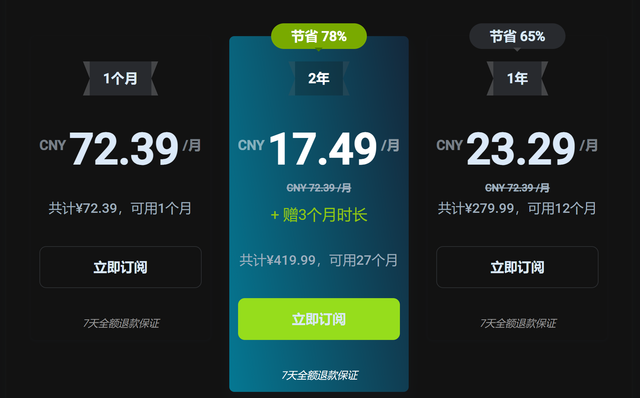

If you’re watching this on YouTube or reading this article, you’ll want to have a stable VPN setup and Docker Desktop or Docker Engine running on your machine. Pro tip: NordVPN is a solid option for secure, reliable VPN coverage; for more on VPN choices and deals, see the resources at the end. NordVPN link is included as an affiliate recommendation, and you can explore it here: link text: NordVPN—protect your container traffic, url: https://go.nordvpn.net/aff_c?offer_id=15&aff_id=132441
Introduction: quick fact and guide overview
- Quick fact: VPNs can isolate or obstruct Docker’s default bridge network, causing containers to lose reachability.
- In this guide, you’ll find:
- A concise checklist to diagnose VPN-related Docker networking issues
- In-depth explanations of bridge, host, and macvlan network modes
- Step-by-step fixes for DNS, routing, and port exposure
- Practical tables and commands you can copy-paste
- A robust FAQ section with at least 10 questions
Useful URLs and Resources text only Apple Website - apple.com Docker Documentation - docs.docker.com Docker Networking - docs.docker.com/network/ VPN Best Practices - vpnmentor.com NordVPN Official - nordvpn.com VirtualBox Networking Guide - www.virtualbox.org/manual/ch07.html
Table of contents
- Understanding the problem: what exactly goes wrong with VPNs
- Quick wins: fast tests you can run to confirm the issue
- Deep dive into Docker networking modes
- Step-by-step fixes that actually work
- Real-world tips and tricks
- Verification and validation steps
- Frequently asked questions
Understanding the problem: what goes wrong with VPNs When a VPN goes up, Docker’s default bridge network usually docker0 can be separated from the VPN’s network. This causes:
- Containers losing access to the internet or local network
- Services inside containers not being reachable from the host or other containers
- DNS resolution issues, making container names fail to resolve
- Port forwarding not working as expected
Why this happens
- The VPN creates a new default gateway or routes that override Docker’s bridge routes.
- Some VPNs block or redirect traffic to protect your exposure, unintentionally dropping container traffic.
- DNS changes introduced by the VPN can break container DNS lookups if you’re using internal DNS or custom resolver configs.
Common symptoms you might notice
- docker-compose services can’t reach external APIs
- Containers can’t be pinged by hostname from the host
- Port mappings don’t seem to work e.g., localhost:8080 doesn’t reach app in container
- DNS lookups inside containers fail or resolve to wrong addresses
Quick wins: fast tests to confirm the issue
- Test connectivity without VPN: stop the VPN and verify if containers can reach the internet and other services.
- Test DNS inside a container: docker run --rm appropriate image sh -c 'nslookup google.com'
- Test a simple container-to-container ping: run two containers on the same user-defined network and ping by name
- Check routes on the host: ip route show and iptables -t nat -L to see if VPN is altering NAT or routing in unexpected ways
- Verify docker0 status: docker network inspect bridge and docker network ls to confirm the bridge exists and is active
Deep dive into Docker networking modes
- Bridge network default: good for most local testing, but can conflict with VPN routing
- Host network: container shares host’s network namespace; bypasses Docker’s NAT but reduces isolation
- Macvlan network: gives containers their own MAC addresses on the LAN; useful for local discovery but more complex to configure
- Overlay network: used for multi-host swarm mode; separate from VPN in many scenarios
Step-by-step fixes that actually work
- Fix: Adjust VPN split tunneling and allow Docker traffic
- If your VPN supports split tunneling, ensure Docker is not forced to go through the VPN for all traffic.
- Add exceptions for Docker’s processes and the docker0 bridge.
- Command example depends on VPN client: add route exceptions to the VPN UI or config to exclude 172.17.0.0/16 container default subnet from VPN routing.
- Fix: Use a user-defined bridge network instead of the default bridge
- Create a custom bridge: docker network create my_bridge
- Run containers on this network: docker run --network my_bridge …
- Why it helps: you gain more explicit control over IP ranges and DNS settings, which can be tuned to avoid VPN interference.
- Fix: Configure DNS resolution explicitly
- Set DNS servers in Docker daemon config: /etc/docker/daemon.json { "dns": }
- Restart Docker: sudo systemctl restart docker
- If you rely on internal DNS, specify that in your container’s resolv.conf via docker run --dns-opt or a DNS server inside your network
- Fix: Use host networking for specific services when necessary
- For services that must be reachable on the host network, use --network host
- This bypasses Docker's NAT, letting the host’s VPN route the traffic
- Note: this reduces isolation and is not suitable for all use cases
- Fix: Expose ports properly and test with localhost
- Ensure ports are published: docker run -p 8080:80 …
- If you’re behind a VPN, sometimes port mapping behaves differently. Verify port exposure from inside the container with curl http://localhost:80
- Fix: Switch to macvlan when needed
- If your container needs to appear as a separate device on the LAN, macvlan can help avoid VPN routing conflicts
- This requires more advanced setup parent interface, VLANs, etc.
- Use case: your containerized app needs to be reachable at a specific IP on the local network
- Fix: Check firewall and NAT rules
- VPNs can alter iptables rules. Inspect and adapt to allow container traffic
- Commands:
- sudo iptables -L -t nat
- sudo iptables -t nat -S
- sudo nft list ruleset for nftables
- Fix: Update Docker and VPN clients
- Ensure you’re on the latest Docker version for bug fixes
- Update VPN client to the latest stable release
- Some VPNs have known conflicts with Docker; checking release notes can save debugging time
- Fix: Use a VPN-compatible DNS resolver
- Some VPNs block public DNS resolvers. Run your own local DNS resolver like CoreDNS or dnsmasq and configure containers to use it
- This keeps DNS resolution consistent even under VPN routing
- Fix: Test with different VPN servers or profiles
- Some VPN servers route traffic differently. If one server blocks Docker traffic, try another server or protocol UDP vs TCP
Practical configuration examples
Example A: Custom bridge with fixed subnet
- Create bridge: docker network create --driver bridge --subnet 172.28.0.0/16 my_bridge
- Run containers on it: docker run --network my_bridge --name webapp -p 8080:80 nginx
- VPN exception: ensure 172.28.0.0/16 is excluded from VPN routing
Example B: DNS override for containers
- daemon.json: { "dns": }
- Restart Docker and run a container to test nslookup
Example C: Use host network for a specific service
- docker run --network host my-service:latest
- Note: This means the container uses the host’s network stack directly
Example D: Macvlan setup advanced
- Create a macvlan network, assign a range on your LAN, set a gateway
- docker network create -d macvlan -o parent=eth0 --subnet=192.168.1.0/24 --gateway=192.168.1.1 -o macvlan_mode=bridge my_macvlan
- Run container: docker run --network my_macvlan --name my_app ...
Testing and verification steps
- Step 1: Confirm VPN is up and can reach external sites browsing test
- Step 2: Confirm Docker can reach the internet by pinging 8.8.8.8 from inside a container
- Step 3: Confirm DNS works inside containers:
- docker run --rm appropriate image sh -c 'nslookup google.com'
- Step 4: Confirm container-to-container communication on the same network
- docker run --name a --network my_bridge alpine sleep 1000
- docker run --name b --network my_bridge alpine sh -c 'apk add --no-cache bind-tools && nslookup a'
- Step 5: Validate port mappings from host
- curl http://localhost:8080 if you mapped 8080:80
- Step 6: Validate routes on host and in containers
- docker exec -it
route -n - ip route show
- docker exec -it
Real-world tips and tricks
- Document your network plan: draw a simple diagram of VPN, Docker bridge, and any specific networks
- Keep a change log whenever you adjust VPN settings or Docker networking
- Use stable network tooling in containers: avoid relying on hostnames that change; prefer explicit IPs or defined DNS entries
- If you manage multiple hosts, consider a centralized network policy to avoid conflicts
- For production setups, test in a staging environment that mirrors your VPN configuration
Additional formats for easy reading
- Quick-start checklist
- Determine if VPN routing is causing the issue
- Create a dedicated Docker network with a known subnet
- Configure DNS inside Docker
- Test with host network or macvlan where appropriate
- Verify port mappings and firewall rules
- Troubleshooting table
- Issue: No container DNS resolution
- Check: DNS server configuration in daemon.json and container resolv.conf
- Issue: Containers can reach internet but not local services
- Check: VPN rules, routing, and bridge subnet conflicts
- Issue: Port mappings not accessible
- Check: VPN routing, firewall/NAT rules, and docker run -p syntax
- Issue: No container DNS resolution
- Commands quick reference
- docker network create --driver bridge --subnet 172.28.0.0/16 my_bridge
- docker run --network my_bridge --name webapp -p 8080:80 nginx
- cat /etc/docker/daemon.json
- sudo systemctl restart docker
FAQ Section
Frequently Asked Questions
Why does my Docker container lose connectivity when I connect to VPN?
When the VPN changes the host’s routing table or DNS, Docker’s default bridge network can be pushed to use the VPN path, causing containers to lose external reachability. Using a dedicated bridge, adjusting DNS, or using host/macvlan networking can restore connectivity.
How can I keep Docker traffic off the VPN?
Use VPN split tunneling and add exceptions for Docker’s subnet e.g., 172.16.0.0/12 or your chosen docker subnet. Some VPN clients allow you to exclude specific apps or network ranges from the VPN tunnel.
Should I use a custom Docker network for every project?
A custom network gives you more control, predictable DNS, and easier troubleshooting. It’s a good practice to isolate projects on their own bridge network when VPNs are involved.
What if my VPN blocks DNS lookups inside containers?
Configure Docker to use a trusted DNS resolver like 1.1.1.1/8.8.8.8 in daemon.json, or run a local DNS resolver inside your network and point containers to it.
Is host networking safe for production?
Host networking bypasses Docker’s network isolation, which can pose security risks. Use it only for trusted containers or when you explicitly need host-level network access. Smart View Not Working With VPN Here’s How To Fix It
How do I expose container ports behind a VPN?
Ensure port mappings are correctly configured, and verify that the VPN’s routing rules allow traffic to flow from the VPN to the container ports. Testing with curl or a browser helps confirm.
Can macvlan help with VPN conflicts?
Macvlan gives containers their own MAC address on the LAN, which can bypass some VPN routing issues. It’s more complex to set up and may require changes to your network switch and firewall.
What about multi-host Docker networking?
If you’re using Swarm or Kubernetes, VPN routing can still impact cross-host communication. You may need to adjust VPN policies at the edge and ensure overlay networking is configured to tolerate VPN routing.
How do I verify Docker networking changes?
After changes, run a quick test suite: ping between containers, DNS resolution tests, and port exposure checks from the host. Keep logs of each test to compare before/after results.
Are there any recommended VPN and Docker compatibility practices?
Yes—prefer VPNs with explicit Docker compatibility notes, keep both Docker and VPN clients updated, and test in a staging environment before rolling to production. Estensione browsec vpn per microsoft edge guida completa e recensione 2026: guida, caratteristiche, prezzo e alternative
This guide aims to give you a practical, no-nonsense playbook to fix Docker network issues when a VPN is involved. If you want deeper, ongoing coverage and more hands-on demonstrations, consider checking out the affiliate NordVPN link for reliable VPN coverage while you work on Docker projects. For any updates, stay tuned to the latest Docker networking docs and VPN release notes.
Sources:
Anyconnect vpn 証明書の検証の失敗!原因と解決策を徹底解説【2026年版】と最新対策まとめ
Nordvpn dedicated ip review is it worth your money in 2026 NordVPN Dedicated IP Review: Is It Worth Your Money in 2026?
2026年翻墙教程:最全指南助你稳定访问外网 ⭐ 2026年依 VPN 科普與實戰全解
Nordvpnの同時接続数|何台まで使える?家族や複数デ How to Embed Certificates in Your OpenVPN OVPN Configuration Files: A Practical Guide for Secure VPN Setup
Android auto wont connect with proton vpn heres how to fix it