Microsoft edge vpn settings: how to configure VPN in Windows and Edge extensions, plus tips for privacy, speed, and access 2026
Microsoft Edge VPN settings how to configure vpn in windows and edge extensions plus tips for privacy speed and access — a practical, user‑friendly guide to get you connected quickly, securely, and with options that fit your daily browsing. If you’re new to VPNs or just upgrading Edge’s built‑in features, this post covers everything from quick enablement to advanced tweaks. Below you’ll find a step‑by‑step guide, best practices, real‑world tips, and a handy comparison of methods so you can choose what works best for you.
Microsoft Edge VPN settings how to configure VPN in Windows and Edge extensions plus tips for privacy speed and access — Quick fact: VPNs in Edge can be enabled in a few clicks and don’t always require a separate app. This guide gives you a clear path, whether you want to use Edge’s built‑in security features, install a trusted extension, or set up a full system‑wide VPN on Windows. Here’s a concise overview of what you’ll learn:
- How to enable Edge’s built‑in VPN-like protections and when to use it
- How to configure a Windows VPN connection that Edge can leverage
- How to install and manage Edge extensions for VPN functionality
- Practical privacy and speed tips, plus access considerations for streaming and work
- Troubleshooting steps and common gotchas
Key takeaways
- You can boost privacy with Edge’s built‑in privacy features and some VPN extension options.
- A system VPN often provides broader protection across all apps, not just the browser.
- For streaming and geo‑access, choose a VPN or extension that explicitly lists supported locations and fast servers.
- Regularly update your browser, extensions, and Windows to keep security tight.
Useful resources text only Apple Website - apple.com Artificial Intelligence Wikipedia - en.wikipedia.org/wiki/Artificial_intelligence Microsoft Edge Support - support.microsoft.com VPN Extension Store - microsoft.com/store Windows Networking Guide - docs.microsoft.com/en-us/windows/networking/ Privacy best practices - en.wikipedia.org/wiki/Privacy
Understanding VPNs in Microsoft Edge
- What a VPN does for you: encrypts traffic, hides your IP, and can bypass regional blocks. It’s not a magic shield from all online tracking, but it’s a strong layer of defense when you’re on public Wi‑Fi or handling sensitive tasks.
- Built‑in Edge protections vs. external VPNs: Edge has privacy features like tracking prevention and secure DNS, but for full system‑wide protection you’ll want a VPN service or Windows’ built‑in VPN client configured.
Quick start: Enable Edge’s built‑in privacy features
- Open Edge settings: three dots > Settings.
- Privacy, search, and services: turn on “Tracking prevention” to a strict level for fewer trackers.
- Use secure DNS: enable “Use secure DNS to specify how to look up the network address for websites” and choose a privacy‑friendly provider.
- Enhanced security mode: if available, enable features like SmartScreen and Extensions mitigation to reduce risk from malicious plugins.
- Clear browsing data on exit optional: helps reduce residual data, but note it will remove saved passwords and form data if enabled.
Edge’s built‑in settings aren’t a VPN, but they’re a good baseline for privacy. For full encryption of traffic, pair with a VPN.
Setting up a Windows VPN connection for Edge
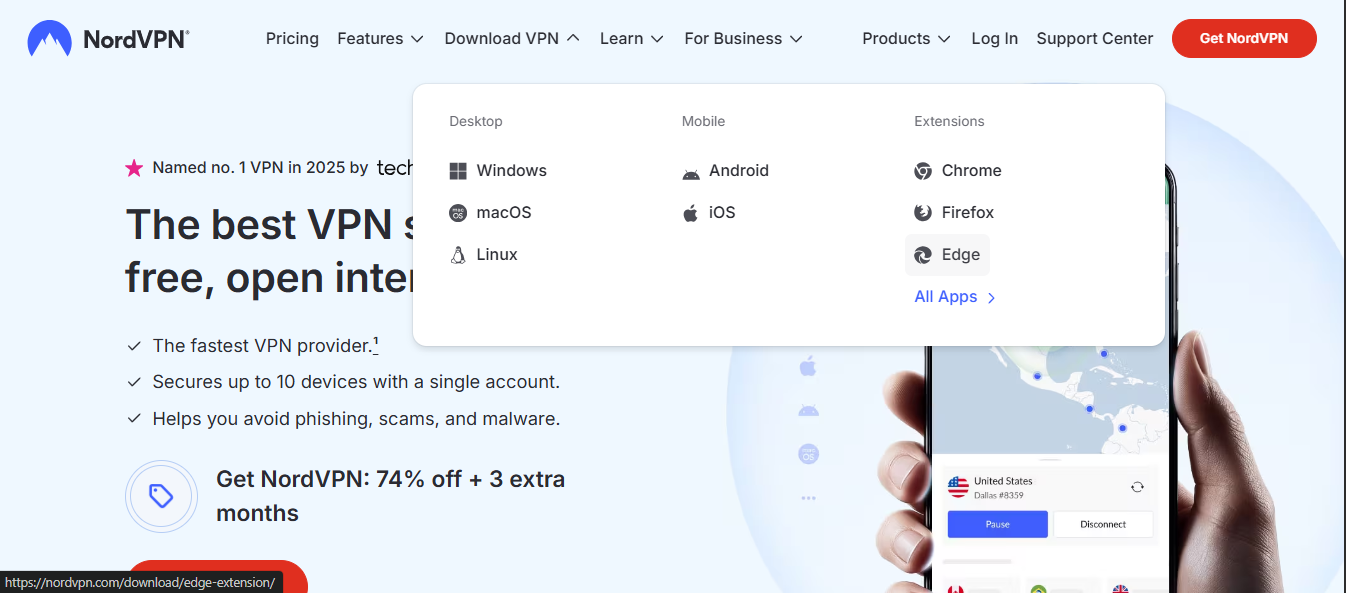
If you want system‑wide protection that Edge can ride along with, configure a VPN in Windows.
- Typical VPN types: VPN client from a provider, or built‑in Windows VPN IKEv2, L2TP/IPsec, or OpenVPN if supported by your app.
- Steps common path:
- Get a VPN plan and credentials from your provider.
- Open Settings > Network & Internet > VPN > Add a VPN connection.
- Enter the VPN provider, connection name, server address, authentication info, and any required domain or username.
- Save and connect. You’ll usually see a VPN icon in the taskbar when connected.
- Verify VPN connection: visit a site like whatismyipaddress.com to confirm your IP changes and check location if relevant for your use case.
- Edge usage: with a Windows VPN active, you’ll route all traffic including Edge through the VPN, which is great for privacy and for bypassing regional restrictions on any browser activity.
Tips for Windows VPN setup
- Choose the right protocol: IKEv2/L2TP offers solid speed and reliability; WireGuard‑based options often give faster speeds and simpler configs, depending on your provider.
- Auto‑connect on launch or when on untrusted networks useful for laptops.
- Split tunneling if available: allow only traffic to specific apps or destinations to go through the VPN, keeping local access faster for other tasks.
- DNS leakage protection: ensure your DNS requests are sent through the VPN tunnel to avoid exposing your queries.
VPN extensions for Edge: pros, cons, and how to use them
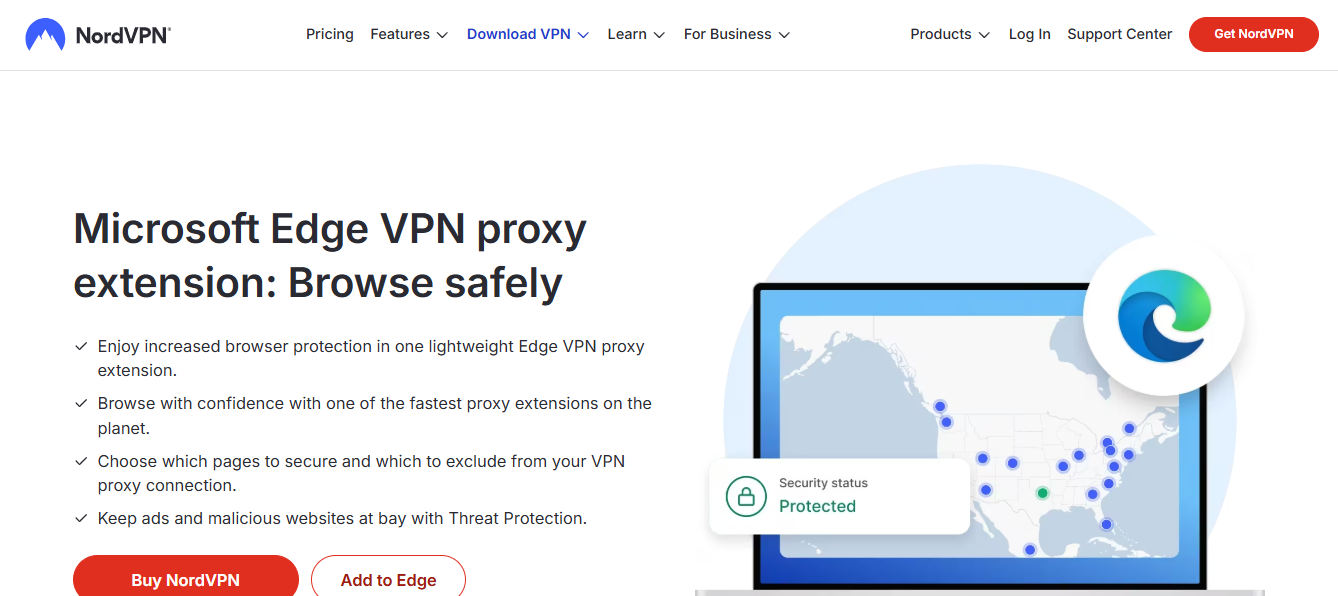
Edge extensions can provide VPN functionality right in the browser, sometimes with fewer setup steps than a full Windows VPN. Here’s how to approach extensions:
- Popular options: browse-friendly extensions that explicitly list server locations and fast speeds. Look for extensions with good reviews and clear privacy policies.
- Pros:
- Quick to enable/disable per site
- Lightweight and easy for casual use
- Can select specific regions for streaming or bypassing geo restrictions in Edge
- Cons:
- Only browser traffic is protected; other apps remain unencrypted
- Some extensions may log data or have weaker privacy guarantees
- Fewer server options may limit performance or reliability
- How to install:
- Open Edge Extensions three dots > Extensions > Manage extensions.
- Click “Open Microsoft Edge Add-ons” and search for a reputable VPN extension.
- Add to Edge and authenticate as required by the extension.
- Use the extension’s UI to pick a server/location and connect.
- Best practices:
- Read the privacy policy and permissions before enabling an extension.
- Avoid extensions with broad data collection claims or poor reputations.
- Use a trusted extension as a supplement to Windows VPN, not a replacement if you need system‑wide protection.
Privacy, speed, and access: practical tips
- Privacy:
- Combine Edge privacy settings with a VPN for better protection.
- Regularly review which extensions you’ve granted permissions to.
- Use strong, unique passwords and enable two‑factor authentication where possible.
- Consider a no‑log VPN provider if privacy is your top concern.
- Speed:
- Choose a VPN server near your location for lower latency.
- If Edge extensions feel slower, disable resource‑heavy extensions and clear cache.
- Use WireGuard or equivalent protocols when available for better throughput.
- Ensure your router firmware and network drivers are up to date.
- Access and streaming:
- Check the VPN/server list for streaming‑friendly locations.
- Some streaming services actively block known VPN IPs; rotate servers if one location doesn’t work.
- For work tasks, use a VPN that supports split tunneling so business apps stay fast while personal traffic stays secure.
- Security hygiene:
- Keep Windows, Edge, and all extensions updated.
- Avoid free VPNs with sketchy reputations; paid providers usually offer better speed, reliability, and support.
- Use HTTPS everywhere and be cautious with login pages on public networks.
Comparison: Edge built‑in privacy features vs. VPN extensions vs. Windows VPN
| Method | Scope | Privacy | Speed impact | Ease of use | Best use case |
|---|---|---|---|---|---|
| Edge built‑in privacy features | Browser only | Moderate tracking prevention, secure DNS | Minimal | High | General browsing privacy without VPN needs |
| Edge VPN extension | Browser only | Varies by provider | Moderate to good | High | Quick protection for browsing, geo testing, streaming from a browser |
| Windows VPN client system‑wide | All apps | High full tunnel, DNS | Varies by server | Moderate | Comprehensive privacy, work VPN, secure on all apps |
Best practices and troubleshooting
- If pages fail to load after connecting to a VPN:
- Try a different server location.
- Clear browser cache and DNS settings.
- Disable IPv6 if your VPN provider has issues with it.
- If Edge extensions keep disconnecting:
- Check for extension updates and browser updates.
- Disable other extensions that may conflict with the VPN extension.
- Reinstall the extension and re‑authorize it.
- For streaming issues:
- Switch to a server in a country where the service has rights.
- Use the extension’s “smart connect” or similar feature if available.
- If playback stutters, try a lower resolution setting temporarily to reduce bandwidth.
- Security tips:
- Always use two‑factor authentication for your VPN account if supported.
- Don’t rely solely on a free VPN for sensitive tasks.
- Periodically audit connected devices and revoke access if you don’t recognize a device.
Real‑world scenarios and setup walkthroughs
Scenario 1: Quick privacy boost on a public Wi‑Fi network Mullvad vpn extension 2026
- Use Edge’s privacy settings for tracking prevention and secure DNS.
- Connect to a Windows VPN with a trusted provider’s server nearby.
- Optional: enable an Edge extension for per‑site protection if needed.
Scenario 2: Accessing geo‑restricted content on Edge
- Use a reputable VPN extension to select a country where the content is available.
- If streaming, verify server performance and reliability with a quick test video.
- Consider switching to a different server if buffering occurs.
Scenario 3: Work from home with strict security requirements
- Install and configure a Windows VPN with a corporate server.
- Use Edge for secure browsing with tracking prevention and HTTPS everywhere.
- Enable split tunneling if your IT policy allows to ensure work apps are on VPN while personal traffic stays on local network.
Advanced tips for power users
- DNS privacy: Use VPN DNS servers or a privacy‑focused DNS provider to prevent leaks.
- Kill switch: Ensure your VPN has a kill switch to block traffic if the VPN drops unexpectedly.
- Auto‑connect policy: Set Windows to auto‑connect to VPN on login or when on untrusted networks.
- Server load awareness: Check provider status pages or app dashboards for server load to pick faster options during peak times.
- Browser fingerprints: Regularly purge cookies and consider using multiple privacy profiles to reduce fingerprinting.
Recommended workflow: combining Edge features with Windows VPN
- Set up a Windows VPN for system‑wide protection.
- In Edge, enable privacy features tracking prevention, secure DNS.
- Install a reputable VPN extension if you need per‑site control or quick location switching.
- Test your setup by visiting a site that shows your location and ensure your IP matches your chosen server.
- Save your favorite servers and keep a quick switch plan for streaming versus privacy tasks.
Quick start checklist
- Determine your needs: system‑wide protection vs. browser‑only protection.
- Choose between Windows VPN, Edge extension, or both.
- Enable Edge privacy settings and secure DNS.
- Install and configure a VPN extension only from trusted sources.
- Regularly update all software and review privacy settings.
- Verify IP address and DNS leakage tests after every change.
Frequently Asked Questions
What is the difference between a VPN extension and a Windows VPN?
A VPN extension protects only the browser traffic and is quick to deploy, while a Windows VPN protects all network traffic across the entire device. Extensions are great for quick privacy in Edge, but they don’t encrypt traffic from other apps like email clients or games.
Can I use Edge’s built‑in privacy features alone without a VPN?
Yes, Edge’s privacy settings improve tracking prevention and secure DNS. They don’t encrypt traffic, so for sensitive activity or public Wi‑Fi, a VPN is still recommended.
How do I install a VPN extension in Edge?
Open Edge > Extensions > Manage extensions > Open Microsoft Edge Add-ons > search for a reputable VPN extension > Add to Edge. Follow the extension’s on‑screen prompts to sign in and connect. Microsoft edge vpn free 2026
Which VPN protocol is best for speed on Windows?
WireGuard and IKEv2 are popular options for speed and reliability. Your provider’s implementation may vary, so test a few servers to see what works best.
How can I avoid DNS leaks?
Use a VPN with DNS leak protection, enable DNS over HTTPS DoH in Edge settings if supported, and ensure your VPN provider’s DNS is used for all traffic.
Are VPNs legal to use?
In most places, yes. However, some countries regulate or restrict VPN use. Always check local laws and your organization’s policies.
Will a VPN affect streaming quality?
It can, depending on server load and distance. If you experience buffering, try a closer server or a server optimized for streaming.
Can Edge VPN extensions log my data?
Many extensions collect some data to function, but reputable providers publish privacy policies. Read the policy and permissions before installing. Microsoft edge proxy 2026
How do I test if my VPN is working correctly?
Visit a site like iplocation.net or whatismyipaddress.com before and after connecting to the VPN to confirm your IP address and location have changed. Also check for DNS leaks using tools like dnsleaktest.com.
What if my VPN won’t connect in Windows?
Check internet connectivity, verify server address and credentials, ensure the correct protocol is selected, disable IPv6 if needed, and consult your VPN provider’s troubleshooting guide.
Can I use a VPN with Edge extensions on multiple devices?
Yes, but those devices will require their own VPN setup either Windows VPN or a compatible browser extension and the same privacy practices should apply.
How often should I update VPN software or extensions?
Regularly—ideally as soon as updates are available. Security patches and performance improvements hinge on timely updates.
Is it safe to use public Wi‑Fi with a VPN?
Yes, using a VPN on public Wi‑Fi significantly improves privacy and security by encrypting traffic and masking your IP. Microsoft edge vpn extension free 2026
Can I run Edge’s privacy features and a VPN simultaneously?
Yes. Edge privacy features complement a VPN by reducing trackers, while the VPN masks your traffic. Just ensure there are no conflicts and test your setup.
Microsoft Edge VPN settings: Microsoft Edge does not include its own VPN service. you configure a VPN via Windows or use a VPN extension. If you’re trying to protect your browsing on Edge specifically, you’ll want to either set up a system-wide VPN or install a trusted Edge extension. In this guide, I’ll walk you through both paths, compare Edge extension options, share real-world tips for better speed and privacy, and help you troubleshoot common problems. This is a practical, no-fluff approach you can follow today.
- What you’ll learn: how to set up a Windows VPN connection that Edge can use, how to add a VPN extension to Edge, how to tailor settings for streaming or work, and how to troubleshoot common issues.
- Quick-start formats: a step-by-step guide for Windows VPN and Edge extensions, plus a handy checklist and pro tips for reliability.
- Useful resources: I’ve included a list of non-clickable URLs at the end of this introduction so you can quickly verify settings or read more.
For a reliable all-in-one option, NordVPN currently offers a significant discount: . If you’re curious about a strong balance of speed, privacy, and ease of use, this is a solid starting point to test with Edge.
What this guide covers
- Edge vs OS-level VPN behavior: why Edge doesn’t need its own VPN and how Windows VPN works with Edge
- How to set up a Windows-native VPN connection for all apps, including Edge
- How to install and use VPN extensions directly in Edge
- Performance optimization: server selection, tunneling choices, DNS, and routing
- Privacy and security basics: encryption, kill switches, leak protection, logging policies
- Common issues and fixes: connection failures, DNS leaks, slow speeds, and account problems
- Real-world use cases: unlocking geo-restricted content, protecting Wi‑Fi on public networks, and remote work access
What is a VPN and why Edge users should care
A VPN virtual private network creates an encrypted tunnel between your device and a VPN server. All traffic passing through that tunnel is protected from eavesdroppers on public Wi‑Fi and can appear to originate from the VPN server’s location. For Edge users, the critical point is that Edge itself doesn’t require a “special Edge VPN”—you either use a Windows VPN connection which Edge will utilize or you install a VPN extension inside Edge. Malus vpn edge 2026
Key benefits for Edge users:
- Privacy on public networks: Encrypts traffic in transit, reducing the risk of snooping on coffee shop Wi‑Fi.
- Access to geo-restricted content: Change your apparent location to access content and services that may be blocked in your region.
- Bypass certain network restrictions: In some cases, a VPN can help you reach blocked sites in restricted networks work or school environments, depending on policy.
- Consistent protection across apps: A system VPN protects more than just the browser. it’s active for all network traffic unless you use split tunneling.
Before you pick a path, note:
- Edge itself cannot “override” OS-level network behavior. if you want per-browser control only for Edge, an extension is your route. If you want device-wide protection, a Windows VPN or a dedicated VPN app is the way to go.
- Some VPNs offer browser extensions that can be toggled inside Edge, while others require you to rely on the system-level VPN.
Edge vs Windows VPN integration: which path to choose
There are two main approaches when you’re aiming to VPN while using Edge:
- System-wide VPN Windows-level: You configure a VPN connection in Windows. Edge uses this connection automatically. Pros: all apps and browsers benefit, consistent IP, easier to manage. Cons: not always as granular per-app as some extensions. some VPNs disable split tunneling by default.
- Edge extensions browser-level VPN: You install a VPN extension directly in Edge. Pros: quick toggle, per-browser control, sometimes lighter on system resources. Cons: extension-based VPNs may have more variable performance, and you’re relying on the extension’s security model and the provider’s browser permissions.
In practice, most people start with a Windows VPN for universal protection and supplement with an Edge extension for quick on/off or for specific tasks. If you frequently use other apps in addition to Edge, a system-wide VPN gives you simpler, uniform protection.
How to set up a Windows VPN connection for Edge step-by-step
This path makes your entire device traffic route through a VPN server, including Edge traffic. Nord vpn microsoft edge 2026
- Choose a VPN provider and sign up
- Pick a reputable provider with strong encryption AES-256, modern protocols WireGuard or IKEv2, a no-logs policy, and a kill switch. Providers like NordVPN, ExpressVPN, Surfshark, and ProtonVPN are commonly recommended.
- Download the provider’s Windows app or note the VPN server details if you’re configuring a manual connection.
- Open Windows Settings and go to Network & Internet
- Windows 10/11: Start > Settings > Network & Internet.
- Add a VPN connection
- In Windows 11: VPN > Add VPN. In Windows 10: VPN section under “Network & Internet.”
- VPN provider: Windows built-in
- Connection name: Any name you’ll recognize e.g., “Edge VPN”
- Server name or address: The server address provided by your VPN service
- VPN type: Choose the protocol your provider supports IKEv2 is common, but WireGuard or OpenVPN may be available through the provider’s app
- Type of sign-in info: Username and password or certificate/one-time code if your provider uses it
- Username and Password: Enter the credentials given by your provider
- Save and connect
- After saving, you’ll see the VPN listed in the Windows VPN section. Click the connection and choose Connect.
- If you’re using a provider’s app, you may not need to rely on Windows’ built-in VPN. instead, launch the app and connect from there. But Edge will route traffic through the system’s VPN connection.
- Verify the VPN is working
- Check your IP address using a site like whatismyipaddress.com or iplocation.net. It should show the VPN server location, not your real location.
- Test accessing content that’s geo-blocked in your region to confirm the VPN is effective.
- Optional: enable a kill switch and DNS protection
- Some providers offer a Windows app-level kill switch and DNS leak protection. Turn these on in the provider’s app settings to ensure traffic doesn’t leak if the VPN drops.
- Fine-tuning split tunneling, if available
- If you want only specific apps to use the VPN while Edge traffic goes direct, enable split tunneling and configure a rule to route Edge through the VPN while other apps stay on the regular connection. Not all providers support per-app split tunneling on Windows. check your provider’s documentation.
Tips:
- Use a nearby server for better latency when you’re browsing or streaming. If you’re worried about performance, pick a server close to your physical location.
- If you’re streaming, test a few servers labeled for streaming or optimized for video performance.
- Keep the VPN app updated to benefit from the latest security patches and performance improvements.
How to use Edge extensions for VPN browser-level
If you prefer to keep most traffic outside the VPN and only route Edge traffic, a VPN extension in Edge can be a good fit. Here’s how to set it up.
- Open Edge and go to Edge Add-ons
- In Edge, click the three-dot menu > Extensions > Get extensions from Microsoft Edge Add-ons.
- Search for a trusted VPN extension
- Popular choices include NordVPN, ExpressVPN, Surfshark, and ProtonVPN extensions. Read reviews and check the publisher to avoid shady extensions.
- Install and sign in
- Add the extension, then click the extension icon in the toolbar to sign in with your VPN account.
- Some extensions offer a “connect on startup” option or per-tab control. Enable features you’ll actually use.
- Connect and configure per-extension settings
- Turn on the VPN with a single click. Some extensions let you choose a server or country quickly.
- Look for an option like “Block WebRTC” or “DNS leak protection” in the extension settings. These add-ons can sometimes expose IPs if not configured properly, so enabling these protections reduces risk.
- Test that the Edge extension is working
- Open a new in-private window and visit a site that shows your IP to confirm it’s different from your real location.
- If you notice any DNS leaks, revisit the extension’s DNS settings or enable the built-in protections.
- Manage performance and permissions
- If the extension feels sluggish, switch servers, or disable privacy-heavy features like intrusive ad tracking networks, if available.
- Be mindful of the permissions the extension requests read and change data on websites, access data for all sites. Only grant what you’re comfortable with.
Pros and cons of Edge extensions
- Pros: Quick on/off, per-browser control, often easy-to-use for non-technical users, lighter on system resources.
- Cons: Some extensions may introduce more risk if not trusted, can leak information if DNS protection isn’t enabled, and performance can be inconsistent across extensions.
Performance optimization tips for Edge VPN usage
- Pick servers strategically: For browsing, a nearby server reduces latency. For streaming, choose servers optimized for video or the country of the streaming service you want to access.
- Prefer modern protocols: WireGuard is usually faster and more efficient than older OpenVPN. If your provider supports WireGuard, enable it.
- Enable kill switch and DNS protection: These features prevent accidental leaks if the VPN drops. Some providers call this feature “Internet Kill Switch” or simply “Kill Switch.”
- Disable IPv6 if you’re experiencing leaks: Some VPNs don’t handle IPv6 consistently. turning off IPv6 on your adapter can reduce leaks. In Windows, you can disable IPv6 in the network adapter settings.
- Use split tunneling sparingly: If you need to access local devices on your network like a printer or NAS while browsing securely, split tunneling can be a lifesaver. Only route sensitive traffic through the VPN, not everything.
- Keep Windows and Edge updated: Security patches and performance improvements in both Windows and Edge can affect VPN reliability.
Privacy and security basics you should know
- Encryption matters: Look for VPNs that use AES-256 encryption with modern protocols WireGuard, OpenVPN.
- Logs policy: A no-logs policy means the provider claims not to store your browsing activity. Read the privacy policy to understand what data they collect and how it’s used.
- Kill switch: If the VPN disconnects, a kill switch stops traffic from leaking outside the tunnel.
- DNS leak protection: Ensure your DNS requests are resolved through the VPN tunnel’s DNS servers, not your ISP’s.
- WebRTC leaks: Some VPNs don’t fully prevent WebRTC leaks in browsers. Many Edge extensions offer a “Block WebRTC” feature. enable it if available.
- Browser fingerprinting: Even with a VPN, you can be uniquely fingerprinted by your browser. Consider using privacy-conscious extensions and privacy settings in Edge to reduce fingerprinting.
Common issues and how to fix them
Connection failure or VPN won’t connect
- Check your login credentials and server address.
- Try a different server or protocol e.g., switch from WireGuard to OpenVPN or IKEv2.
- Ensure that Windows firewall or security software isn’t blocking the VPN.
- If using an Edge extension, restart the extension or reinstall it.
Slow speeds One click vpn for pc: how to choose, set up, and optimize a one-click VPN experience on Windows and Mac 2026
- Switch to a closer server or one optimized for streaming.
- Verify you’re not running bandwidth-intensive tasks on the same network.
- Check for background updates or sync tasks on your device that may be consuming bandwidth.
DNS leaks
- Enable DNS leak protection in the VPN app or extension settings.
- Disable IPv6 if your VPN doesn’t handle IPv6 well as noted above.
- Flush DNS after changes: open Command Prompt and run ipconfig /flushdns.
Edge-specific issues
- If an extension causes Edge to crash, disable other extensions to test for conflicts.
- Clear Edge cache and cookies if a VPN-related page loads incorrectly.
- Ensure Edge is updated to the latest version to maintain compatibility with extensions.
Public Wi‑Fi edge cases
- On public networks, enable the VPN before you start browsing.
- Use a reputable provider with good performance on mobile networks if you’re traveling.
Real-world use cases for Edge VPN
- Streaming libraries: Access geo-blocked content by selecting a server in the content’s country. Note that some streaming services actively block VPNs. if you hit a block, switch servers or use a dedicated streaming profile from your VPN.
- Remote work and secure access: When you’re on corporate or school networks, a VPN can add a layer of encryption for sensitive tasks. Make sure your organization’s policy allows personal VPN usage and that you’re compliant with security guidelines.
- Public Wi‑Fi safety: When you’re traveling or at a cafe, a VPN protects your login credentials and personal data from potential eavesdroppers on the network.
How to choose the best VPN for Edge
- Reliability and speed: Look for providers with many servers, especially in your target regions, and modern protocols like WireGuard.
- Platform support: If you plan to use Edge on Windows, macOS, Android, and iOS, pick a provider with solid app support across platforms.
- Edge extension availability: If you want a browser-based option, ensure the provider offers a reputable Edge extension with good reviews.
- Privacy stance: Prioritize providers with transparent privacy policies and verifiable no-logs commitments.
- Customer support: 24/7 chat or timely email support makes a huge difference if you run into issues while you’re in the middle of a project or streaming.
Data safety and updates for 2025
- VPN usage remains a core tool for online privacy, with continued growth in remote work and mobile browsing. Edge users often lean on a mix of system-wide VPNs and browser extensions to balance privacy with performance.
- Privacy policies and encryption standards continue to evolve. Expect more providers to offer WireGuard-based protocols alongside traditional OpenVPN, with stronger emphasis on DNS leaks and kill switch integrity.
- Browser security and VPN integration are increasingly interdependent. As Edge adds more privacy features, extensions that respect permissions and minimize data collection will be favored by privacy-minded users.
Frequently Asked Questions
Is Microsoft Edge capable of running a VPN natively?
Edge itself does not include a built-in VPN service. You configure VPN protection on Windows system-wide or use a VPN extension inside Edge to route just Edge traffic.
Do I need a VPN extension if I already have a Windows VPN?
If you want device-wide protection and simple management, a Windows VPN is typically better. A browser extension can be convenient for quick toggling or per-browser control, but it may not cover all traffic. Openvpn profile location: where to find OpenVPN profile files, how to manage profiles, and best practices for VPN setup 2026
How do I set up a VPN on Windows for Edge?
Install a VPN client or configure a Windows VPN connection Settings > Network & Internet > VPN > Add VPN. Then connect. Edge traffic will route through the Windows VPN automatically.
Can I use split tunneling with Edge?
Yes, many VPNs offer split tunneling. You can route Edge traffic through the VPN while other apps use your regular connection, or vice versa. Check your VPN provider’s settings.
Are VPN extensions safe to use in Edge?
Choose extensions from reputable providers with good reviews and clear privacy policies. Check permissions before enabling. Turn off extensions you don’t need.
How can I prevent DNS leaks when using a VPN with Edge?
Enable DNS leak protection in your VPN settings. If needed, disable IPv6 on your device and use VPNs that provide their own DNS servers.
Will a VPN slow down my browsing in Edge?
Sometimes. It depends on server distance, server load, and protocol. Switching to a closer server or using WireGuard often reduces latency. Openvpn client edgerouter 2026
Can VPNs unblock streaming services in Edge?
Some VPNs can access geo-blocked streaming libraries, but providers sometimes block VPN IPs. If one server doesn’t work, try another or use a streaming-optimized server.
Should I use a VPN on mobile Edge as well?
Yes, most modern VPNs have mobile apps. If you’re on the go, a VPN on mobile helps protect your data on public networks.
Is there a risk of being tracked while using a VPN with Edge?
VPNs protect data in transit, but they don’t stop all forms of tracking. Practice good privacy habits: use privacy-focused extensions, disable unnecessary cookies, and consider a browser privacy mode or alternatives when needed.
How do I test that my Edge VPN is working?
Visit a site that shows your IP for example, whatismyipaddress.com to confirm your real IP is replaced by the VPN’s IP. You can also test for WebRTC leaks in Edge’s settings or extensions.
Can I use more than one VPN at a time with Edge?
Generally no and it can cause conflicts. Use either a Windows VPN or an Edge extension, not both for the same traffic. Some advanced setups involve chaining, but that’s for power users. Pia vpn encryption 2026
Useful URLs and Resources
- Edge Add-ons marketplace: http://microsoft.com/edge/addons
- Windows VPN setup guide general: https://support.microsoft.com
- NordVPN official site: https://nordvpn.com
- ExpressVPN official site: https://www.expressvpn.com
- Surfshark official site: https://surfshark.com
- ProtonVPN official site: https://protonvpn.com
- WhatIsMyIPaddress.com: https://www.whatismyipaddress.com
- DNSLeakTest.com: https://www.dnsleaktest.com
- Privacy-focused browser tips general: https://www.eff.org
- Reading on VPN protocol differences WireGuard vs OpenVPN: https://www.vpnpro.org
Final thoughts
Microsoft Edge users don’t have a dedicated Edge-only VPN setting. you’ll either configure a Windows VPN or install a trusted Edge extension to achieve your privacy, security, and geo-access goals. This approach gives you flexibility: you can protect all traffic or just Edge, depending on your needs and the task at hand. With the right setup, you can browse more securely, access content from around the world, and reduce exposure on public networks—all while keeping Edge snappy and user-friendly.
Edge vpn apkpure: Understanding Edge Secure Network, APKPure VPN Apps, Safety Tips, and the Best VPNs in Canada for 2025