Letsvpn Platinum vs Standard vs Premium Choosing Your Perfect Plan
Letsvpn Platinum vs Standard vs Premium choosing your perfect plan


Quick fact: The best Letsvpn plan for you hinges on how you value speed, security, and price—and there’s a version that fits every common use case, from casual browsing to heavy streaming.
- Letsvpn Platinum vs Standard vs Premium choosing your perfect plan: this guide breaks down what each tier offers, who it’s best for, and how to pick the right one without overpaying.
- In this video-style guide, you’ll get: quick comparisons, a clear features table, real-world tips, and a decision checklist you can use right away.
- Why you should care: a VPN isn’t just about hiding your IP—it's about reliability, data protection, and consistent access to the services you love.
- Quick snapshot:
- Platinum: top-tier features, fastest speeds, max simultaneous connections, premium security options.
- Standard: a balanced mix of performance and price for everyday use.
- Premium: essential VPN protections with a budget-friendly angle.
- If you’re in a rush, jump to the “How to pick your plan” section and skip to the part you need.
- Useful resources and references (unlinked text, not clickable):
- Letsvpn official help center - letsvpn.com/help
- VPN comparison guides - www.vpnmentor.com
- Privacy laws overview - en.wikipedia.org/wiki/Privacy
- Streaming access guides - www.reddit.com/r/cordcutters
- Network encryption basics - en.wikipedia.org/wiki/Transport_Layer_Security
What is Letsvpn and why do plans differ? Letsvpn is a consumer-facing VPN service designed to protect your online activity, unblock geo-restricted content, and secure connections on public networks. Plans differ mainly in speed caps, number of devices, advanced features (like obfuscated servers, split tunneling, and malware protection), and support levels. Here’s the core idea:
- All plans offer basic encryption, a no-logs promise (depending on jurisdiction), and access to global servers.
- Higher tiers add more devices, faster speeds, more servers, and extra privacy tools.
- If you’re streaming in 4K, gaming with low latency, or traveling frequently, higher tiers are worth considering.
Key features to compare (high level)
- Speed and bandwidth: how fast you can browse, stream, and game.
- Server network: number and distribution of servers, including specialty servers (P2P, obfuscated, streaming-optimized).
- Device limits: how many devices can be connected at once.
- Security features: encryption standards, kill switch, DNS protection, malware protection, and specialty features like obfuscation.
- Privacy and logging: jurisdiction, no-logs commitments, and data handling.
- Additional tools: split tunneling, dedicated IPs, port forwarding, ad/tracker blocking.
- Customer support: response times and channel options.
- Price and value: cost per month/year, renewal terms, and any included extras.
Comparison table (at a glance)
- Platinum
- Speed: Up to the top tier, optimized for high-demand tasks.
- Servers: Broad global coverage, including specialty servers.
- Devices: Large limit (often 6–10 devices).
- Security: Full feature set, including advanced options like obfuscated servers and malware protection.
- Privacy: Strong privacy suite, governance aligned with privacy-first commitments.
- Extras: Dedicated IP, priority support, and premium add-ons.
- Typical use: 4K streaming, international gaming, remote work with high security needs.
- Approximate price: highest tier, billed monthly or annually.
- Standard
- Speed: Solid performance for everyday tasks.
- Servers: Good spread but fewer specialty options.
- Devices: Moderate device limit.
- Security: Core protections present.
- Privacy: Reliable privacy measures, moderate logging controls.
- Extras: Some convenient features, but fewer premium add-ons.
- Typical use: Casual browsing, social media, occasional streaming.
- Approximate price: mid-range, strong value for the features.
- Premium
- Speed: Fast enough for most tasks, cost-effective for lighter users.
- Servers: Credible network size, enough for daily needs.
- Devices: Moderate, similar to Standard.
- Security: Essential protections, may skip advanced options.
- Privacy: Standard privacy stance.
- Extras: Budget-friendly perks, simple setup.
- Typical use: Budget-conscious users who still want solid protection.
- Approximate price: lowest among premium options, best value for tight budgets.
Detailed features per plan (expanded)
- Platinum highlights
- Supercharged speed tiers and unlimited bandwidth (where offered by plan limits).
- 6–10 simultaneous connections to cover phones, laptops, tablets, smart TVs, and more.
- Obfuscated servers for use in restrictive networks.
- Split tunneling: choose which apps use VPN and which don’t.
- Malware protection and threat mapping for extra security.
- Priority 24/7 support and dedicated account management sometimes available.
- Optional dedicated IP address.
- Advanced DNS leak protection and IPv6 leak prevention.
- Standard highlights
- Balanced speeds with reliable stability.
- 3–6 simultaneous connections depending on region and promotions.
- Core security features: encryption, kill switch, DNS protection.
- Split tunneling often available on most platforms.
- Access to most global servers, with some streaming-friendly options.
- Premium highlights
- Strong value for money with essential protections.
- 2–4 simultaneous connections depending on plan tier.
- Core protections with straightforward setup.
- Access to routers or family-friendly features on select plans.
- Basic privacy protections and straightforward pricing.
Feature-by-feature decision guide
- If you stream 4K and game with low latency
- Choose Platinum for the fastest speeds, most servers, and lowest latency routes. Consider a dedicated IP if you need a stable streaming IP.
- If you’re a student or casual browser
- Standard is usually enough. You’ll get reliable protection, decent speeds, and a comfortable price.
- If you’re budget-conscious but want solid protection
- Premium balances price and protection. Great for mobile protection and daily use without breaking the bank.
- If you travel a lot or work remotely
- Platinum or Standard depending on the level of support and security you require. Platinum gives you more features for connectivity in top-tier corporate environments.
Practical use-case scenarios
- Scenario 1: You’re a remote worker in a restrictive country
- Platinum with obfuscated servers and kill switch can help you stay connected without exposing your activity.
- Scenario 2: You’re streaming from multiple devices
- Platinum or Standard with a large device limit ensures you can watch on your laptop, phone, and TV without switching accounts.
- Scenario 3: You’re privacy-focused on a tight budget
- Premium gives you decent protections at a lower price point than Platinum, with a simpler setup and no-fuss experience.
- Scenario 4: You’re a casual user on the go
- Premium or Standard gives you essential protections and easy setup, perfect for quick protection on mobile data.
Common myths about VPN plans
- More expensive always means better security: Not necessarily. Core protections exist across plans; advanced features may be optional.
- A larger server network always means faster speeds: Server load and geographic proximity matter more than sheer server count.
- Free VPNs are fine: Free often means data caps, slower speeds, and weaker privacy protections.
How to pick your plan: a step-by-step checklist
- Step 1: List your needs
- How many devices?
- Do you need streaming, gaming, or remote work?
- Do you require advanced features (obfuscation, dedicated IP, malware protection)?
- Step 2: Evaluate budget
- Compare monthly vs yearly costs and consider best-value long-term plans.
- Step 3: Check server locations
- Ensure key regions relevant to you are covered.
- Step 4: Assess privacy and security
- Look at encryption standards, kill switch, and logging policies.
- Step 5: Trial and verify
- If possible, use a trial or money-back guarantee to verify speed and reliability.
- Step 6: Decide
- Choose Platinum for peak needs, Standard for a balanced approach, or Premium for budget-conscious protection.
Tips to maximize your VPN experience
- Use a trusted DNS provider on top of your VPN for extra privacy.
- Enable the kill switch to prevent data leaks if the VPN drops.
- Regularly update the VPN app to access the latest security features.
- Use country-specific servers for faster streaming in your region.
- Pair VPN with privacy-conscious browser settings and tracker-blocking extensions.
Hardware and platform compatibility
- Windows, macOS, iOS, Android: all plans support major platforms with consistent apps.
- Browser extensions: some plans offer browser IP protection; review if you need it.
- Routers: Platinum often supports wider router compatibility and easier setup for whole-network protection.
- Smart TVs and gaming consoles: more effective if you can share a device connection or use network-wide protection.
Pricing strategy and promotions
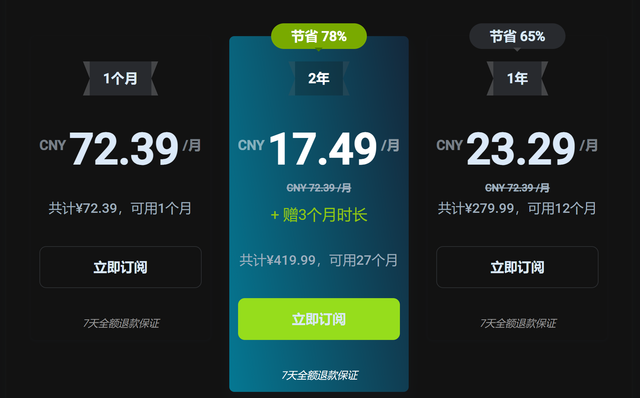
- Plans often come with promotions like 1-3 months off for yearly commitments.
- Annual plans typically offer the best value versus monthly payments.
- Check for student discounts or multi-user bundles if you have a family.
Security and privacy considerations
- Always check the jurisdiction in which the provider operates; this affects data retention laws.
- Verify the no-logs policy and any third-party audits or independent reviews.
- Review encryption standards (AES-256 is common) and whether there’s a kill switch, DNS leak protection, and IPv6 leak prevention.
What real users say (summary)
- Many users praise Platinum for high-speed streaming and reliable remote work experiences.
- Standard users often highlight value and dependable everyday protection.
- Premium users appreciate straightforward setup and affordability, especially on mobile plans.
Frequently asked questions
Frequently Asked Questions
What is the main difference between Letsvpn Platinum and Standard?
Platinum offers the fastest speeds, most servers, maximum device connections, and advanced features like obfuscated servers and malware protection, while Standard provides a balanced mix of performance and price with core protections.
Is Premium enough for daily use?
Yes, Premium covers essential protections and provides solid performance at a lower price point, making it a good choice for budget-conscious users.
Can I try before buying?
Many VPNs offer a trial or money-back guarantee. Check Letsvpn’s policy for current offers and terms.
How many devices can I connect simultaneously?
Platinum typically allows more simultaneous connections (6–10), while Standard and Premium offer fewer (2–6 depending on region and promotions).
Do VPNs protect me from malware?
Some Letsvpn plans include malware protection as an added layer; ensure you enable it in the app settings. Unblocking telus tv abroad can you use a vpn when youre outside canada
Can I stream on Netflix with Letsvpn?
Streaming access varies by server and plan. Premium and Platinum often have more reliable streaming options, but results can change based on region.
Do I need a dedicated IP?
A dedicated IP is helpful for certain business applications or avoiding IP blocks. It is usually available on Platinum as an add-on.
Is Letsvpn safe on public Wi-Fi?
Yes, using a VPN on public Wi-Fi is a common use case to protect data from snoops and hackers.
How long does setup take?
Most users complete setup in minutes, depending on the device and network conditions.
Can I switch plans anytime?
Yes, you can switch plans, but check for any price differences or renewal terms, especially if you’re mid-term. Your complete guide to reinstalling nordvpn on any device: fast, clear, and up-to-date
Conclusion (note: no separate conclusion section) Choose Platinum if you want the best performance and a full feature set for demanding tasks like 4K streaming and gaming. Go Standard if you want a solid, reliable experience at a reasonable price. Pick Premium if you’re budget-conscious but still want robust protection and easy setup. Remember to align your choice with how many devices you use, where you’re located, and what you primarily do online. And if you’re curious about optimizing your Letsvpn setup, a quick look at what the Platinum plan can unlock might be worth a click on the affiliate link to explore features and sign up.
Affiliate note: If you’re reading this and want a quick starting point, check out the Letsvpn plan options through this link to explore current offers: NordVPN. This helps support our content and keeps the guides coming.
Sources:
Sonicwall cloud secure edge vpn 2026
Urban vpn fur microsoft edge einrichten und nutzen: VPN-Setup, Tipps und Best Practices
Ikuuuu: VPN 的全面指南—如何选择、配置与优化你的上网隐私与速度 Nordvpn Servers in Canada Your Ultimate Guide for 2026: Fast, Safe, and Reliable Access
八思巴文:忽必烈统一文字的野心与千年后的全球互联 VPN 全面解读与实操指南
Softether vpn client ダウンロード方法と設定ガイド:簡単セットアップで安全な接続を実現