Does vpn super unlimited proxy work in china the honest truth for 2026

Does vpn super unlimited proxy work in china the honest truth for 2026: Real Talk on Accessibility, Reliability, and Safety
Does vpn super unlimited proxy work in china the honest truth for 2026? Short answer: it’s complicated, but yes for some, with caveats. Here’s a quick guide to what actually works, what doesn’t, and how to pick a solution that fits your needs.


- Quick fact: China’s firewall, the Great Firewall, blocks or slows many VPNs, and policies change frequently.
- What you’ll learn: which VPNs tend to bypass GFW, how to verify reliability, how to stay safe, and practical steps you can take today.
- Quick-start guide:
- Check up-to-date user reviews and test results from reputable tech sites.
- Look for obfuscated servers and stealth VPN modes.
- Make a backup plan Tor, proxy chains, or mobile data in case primary options fail.
- Keep your software updated and use a strong, unique password manager.
- Useful resources text only: Apple Website - apple.com, Artificial Intelligence Wikipedia - en.wikipedia.org/wiki/Artificial_intelligence, Great Firewall information - en.wikipedia.org/wiki/Great_Firewall, VPN legality in China - gov.cn search for relevant pages, VPN reliability reports - techradar.com, cnet.com, much more.
- Background: What makes China’s internet environment so tricky
- The Great Firewall GFW uses deep packet inspection, DNS tampering, and IP blocking to limit access to many foreign sites.
- Some VPNs work only intermittently or during certain times or in specific cities.
- Policies can shift quickly, so a solution that worked last year might fail today.
- How “super unlimited proxy” concepts map to reality
- “Super unlimited proxy” often implies unlimited bandwidth and no throttling, but proxies are usually not a panacea for censorship or security.
- Proxies, especially free or cheap ones, tend to leak data, be slow, or be blocked faster than paid VPNs.
- A legit VPN with obfuscation and stealth modes is more likely to bypass blocks while keeping your traffic encrypted.
- What to look for in a VPN that works in China as of 2026
- Obfuscated/stealth VPN technology: hides VPN traffic as regular TLS traffic to evade DPI.
- Stealth servers or “VPN over SSH/SSL” options.
- Regularly updated server lists in nearby regions Hong Kong, Singapore, Japan, Korea to improve connectivity.
- Strong encryption and a no-logs policy to protect privacy even if connections drop.
- Kill switch and DNS leak protection to prevent data leaks when the connection drops.
- Independent audits or transparent privacy practices to boost trust.
- Realistic expectations: performance, legality, and safety
- Performance: expect variability, with speeds possibly fluctuating based on time of day and location inside China.
- Legality: using a VPN in China is not illegal per se for individuals, but certain uses and providers are regulated. Always stay informed about local laws and company policies.
- Safety: avoid suspicious free proxies; stick to reputable, paid VPNs with a good privacy track record and transparent practices.
- Practical setup guide for a China-first VPN strategy
- Step 1: Choose a reputable VPN with obfuscation and a China-friendly track record
- Look for providers that explicitly publish information about working in China and have user reports from within China.
- Step 1: Choose a reputable VPN with obfuscation and a China-friendly track record
- Enable obfuscated servers, stealth modes, or VPN over TLS if available.
- Check if you can access a few blocked services news sites, social apps during non-peak hours.
- Have a secondary connection method proxy, Tor for non-urgent uses, or data-backed alternatives ready.
- Use strong passwords, enable two-factor authentication, and keep devices encrypted.
- Data and statistics you can lean on
- VPN market growth: The global VPN market has continued expanding, with increasing demand for bypassing censorship and protecting privacy in restrictive regions.
- China-specific trends: Several providers report ongoing efforts to tighten blocks around VPN traffic, while others adapt with new obfuscation methods.
- User experiences: Anecdotal reports show some users achieving reliable access in certain cities or during specific hours, while others experience frequent drops.
- Comparing common approaches: VPN vs. proxies vs. Tor
- VPN: Best balance of privacy and reliability when configured with obfuscation; higher chance to access blocked content, but may face blocks occasionally.
- Proxies: Often faster per connection but less secure; many are blocked quickly and may leak IPs or data.
- Tor: Strong anonymity, but speeds are generally slower; can be blocked or throttled and is not ideal for streaming or video calls.
- Hybrid options: VPN + proxy chains can improve success rates but add complexity and potential for misconfiguration.
- Security considerations and best practices
- Avoid free VPNs or free proxies; they may log data or inject ads.
- Prefer providers with a proven privacy policy, independent audits, and transparent incident reports.
- Use a reputable password manager, enable two-factor authentication, and regularly update your devices.
- Check for DNS and IP leaks after connecting; if leaks occur, switch servers or change settings.
- Step-by-step quick-start one-page cheat sheet
- Step 1: Pick a China-friendly VPN with obfuscation
- Step 2: Install on your primary device laptop, phone, tablet
- Step 3: Turn on obfuscated/stealth mode and connect to a nearby server
- Step 4: Verify test sites load and no DNS leaks
- Step 5: If access fails, switch to a different server or try “VPN over TLS” if available
- Step 6: Have a backup plan Tor or mobile data for critical tasks
- Step 7: Regularly check for updates and policy changes from your provider
- Personal tips from practical experience
- The best time to test is during non-peak hours; congestion can affect performance.
- If you’re in a hotel or corporate network, firewall settings may further impact VPN performance; try different networks if possible.
- Keep your investment in a reliable plan; cheaper options tend to be less dependable in restrictive environments.
- Quick-reference table: common features and what they do
- Feature: Obfuscated servers | Purpose: Hides VPN traffic as regular TLS
- Feature: Stealth mode | Purpose: Avoids DPI detection
- Feature: Kill switch | Purpose: Prevents data leaks if the VPN drops
- Feature: DNS leak protection | Purpose: Ensures DNS queries don’t reveal your activity
- Feature: No-logs policy | Purpose: Protects privacy even if data is accessed
- Feature: Multiple device support | Purpose: Use on phones, laptops, and tablets
- Practical recommendations for different user types
- Casual browsing in restricted regions: A reliable, obfuscated VPN with fast servers in nearby regions should suffice.
- Remote workers: Prioritize a VPN with strong security, kill switch, and predictable performance.
- Students or travelers: A flexible plan with good mobile support and a robust fallback method is key.
- Privacy-conscious users: Favor transparent providers with independent audits and a strict no-logs policy.
- Common myths and truths
- Myth: All VPNs work equally well in China. Truth: Only a few have consistent success, and many fail over time.
- Myth: More servers means better access. Truth: Quality and obfuscation capability matter more than sheer server count.
- Myth: Free proxies are a good substitute. Truth: They pose higher risk and often don’t provide genuine privacy or reliability.
- Pricing and value considerations
- Premium VPNs often offer better obfuscation, more reliable access, and stronger security features.
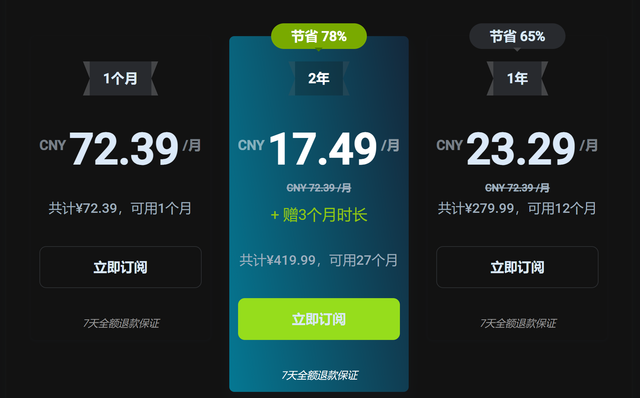
- Long-term plans usually reduce monthly cost; look for refunds and trial periods to test performance.
- Watch for renewal price hikes and feature changes; ensure you’re still getting value.
- What to do if a VPN stops working in China
- Verify service status with your provider’s official channels.
- Try alternative obfuscated servers and reset your connection.
- Switch to a different country server with stealth mode activated.
- As a last resort, use a backup method like Tor for non-fluid tasks.
- Recommended setup examples hypothetical
- Example A: VPN with obfuscated servers + VPN over TLS + DNS leak protection
- Example B: VPN with stealth mode, multi-hop options, and automatic kill switch
- Example C: VPN + proxy chaining for highly restrictive environments use with caution and awareness
- Tech insights and updates for 2026
- Providers continue to refine obfuscation to counter DPI techniques.
- Some regions see periodic blocks; providers publish status dashboards highlighting uptime and access trends.
- Independent security researchers emphasize privacy-preserving defaults and user education.
- Final tips for staying informed
- Subscribe to provider status blogs and official social channels for announcements about China access.
- Read user forums and report threads to gauge real-world performance in your city.
- Keep notes of which servers work best for your location and task type.
Useful URLs and Resources text only
- Apple Website - apple.com
- Artificial Intelligence Wikipedia - en.wikipedia.org/wiki/Artificial_intelligence
- Great Firewall information - en.wikipedia.org/wiki/Great_Firewall
- VPN legality in China - gov.cn
- VPN reliability reports - techradar.com
- VPN reviews - cnet.com
Frequently Asked Questions Turbo vpn google extension your quick guide to better browsing
Does a VPN work consistently in China in 2026?
Yes, but consistency varies by provider, city, and time. Obfuscation and stealth modes improve reliability.
Are proxies a good alternative to VPNs in China?
Proxies can work for specific tasks but are generally less secure and more easily blocked than VPNs.
Can I use Tor in China to bypass restrictions?
Tor is possible but often slow and not ideal for streaming or real-time communication; it’s best as a privacy-focused fallback.
What is obfuscation in VPNs?
Obfuscation hides VPN traffic as regular internet traffic, helping evade DPI-based blocks.
Do I need a no-logs VPN for China?
A no-logs policy helps protect your privacy, especially if a provider’s data is requested by authorities or compromised. Nordvpn in China Your Ultimate Guide to Downloading and Staying Connected
How do I test if my VPN is working in China?
Test access to blocked sites, run DNS leak tests, and verify your IP shows the expected country.
What devices should I configure first?
Start with your primary laptop or mobile device; ensure your backup device has a working VPN as well.
Is it legal to use a VPN in China?
Using VPNs is regulated; individuals should stay informed about current laws and provider policies.
How often do VPNs stop working in China?
It varies; providers frequently update their obfuscation and server strategies to counter changes in the Great Firewall.
What’s the best way to choose a VPN for China?
Look for obfuscated servers, stealth modes, a transparent privacy policy, independent audits, and a track record of working in China. Why Your Ubiquiti VPN Isn’t Connecting and How to Fix It
Sources:
Does nordvpn block youtube ads 2026
Does nordvpn include antivirus heres what you need to know
Nordvpn下载:全面指南、评测与实用技巧,包含VPN使用与安全要点
梯子推荐稳定:2026年在中国实现流畅科学上网的最佳vpn和机场指南
Does microsoft edge come with a built in vpn explained for 2026 O Que Fazer Quando a VPN Nao Conecta 10 Causas Comuns e Como Resolver