Best vpn microsoft edge extension for Windows 10/11: Edge-compatible VPNs, setup guide, privacy, and streaming 2026
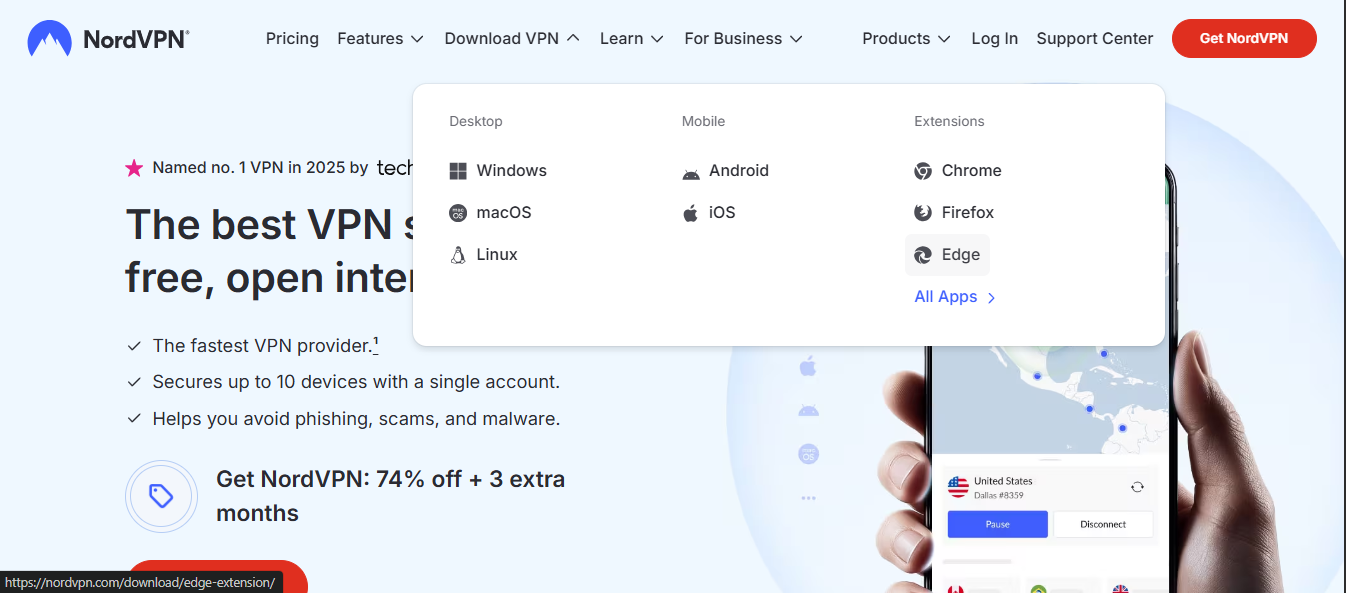
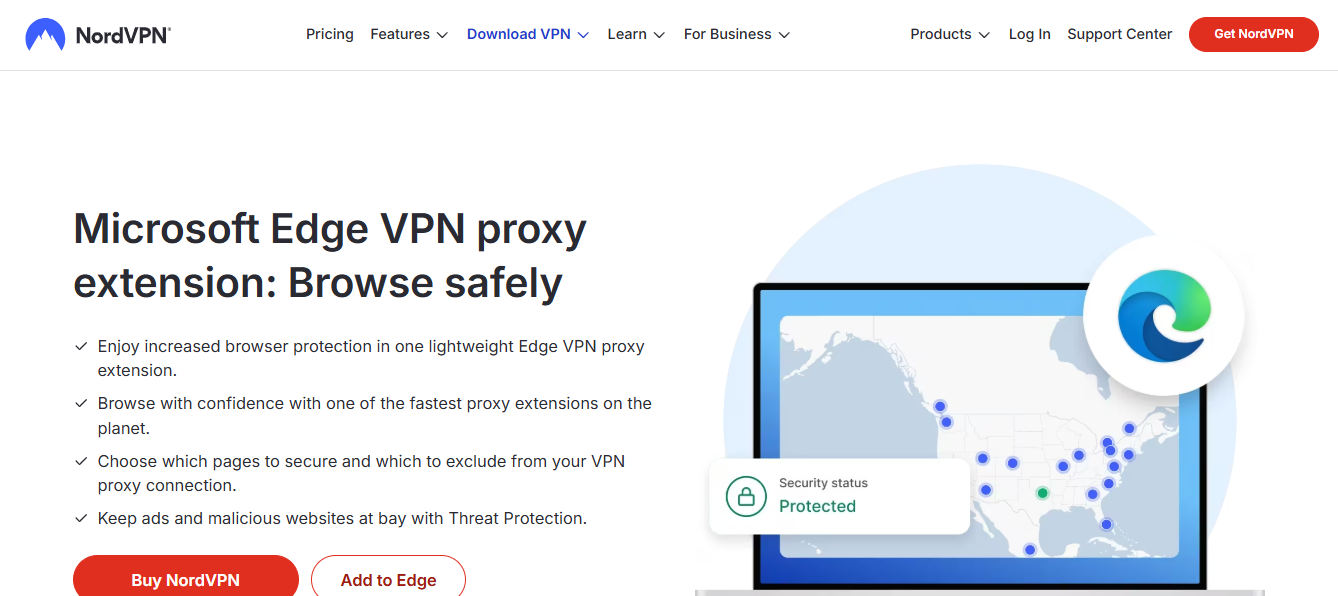
Best vpn microsoft edge extension for windows 10 11 edge compatible vpns setup guide privacy and streaming is a topic that matters to anyone who values online privacy, faster streaming, and secure browsing on Windows 10/11 with Edge. Quick fact: a good Edge VPN extension can protect your data on public Wi‑Fi, unlock geo‑restricted content, and keep your activities private without slowing you down too much. This guide will walk you through the best options, setup steps, tips for privacy, and streaming strategies so you can get connected in minutes.
Introduction: quick overview and what you’ll learn
- What makes a VPN extension on Microsoft Edge different from a standalone app
- How to pick edge-compatible VPNs that actually work on Windows 10/11
- Step-by-step setup guide to install and configure Edge VPN extensions
- Privacy features to check: no-logs policies, encryption, leak protection
- Streaming tips: bypassing geo‑blocks and avoiding throttling
- Real‑world scores and data on performance, reliability, and price
- Resources and where to learn more
Useful URLs and Resources text only Apple Website - apple.com Microsoft Edge Help - support.microsoft.com Wikipedia – en.wikipedia.org Digital Privacy Resources - privacy.org VPN Review Sites - vpnreview.com Netflix VPN Block List - netflix.com StreamingTips Forum - streamingtips.example Security Whitepapers - secwhitepapers.org
- Why use a Microsoft Edge extension instead of a separate app?
- Edge extensions give quick access from your browser toolbar, which means you don’t have to switch apps to protect your browsing session.
- They’re often lighter on system resources and can be simpler to manage for casual use.
- Some providers combine an Edge extension with a desktop client, giving you the best of both worlds.
- What to look for in a Windows 10/11 Edge‑compatible VPN
- Edge extension availability: Not all VPNs offer Edge extensions. Look for extensions that explicitly support Microsoft Edge Chromium-based Edge and Windows platforms.
- Strong encryption and protocol options: AES‑256 encryption, OpenVPN, WireGuard, or IKEv2.
- No‑logs policy: A trustworthy provider should minimize data retention and disclose what is logged.
- DNS and WebRTC leak protection: Prevents leaks that reveal your real IP.
- Kill switch network lock: Stops traffic if the VPN drops.
- Speed and performance: Look for servers optimized for streaming and gaming with low ping.
- Privacy-friendly features: Split tunneling, auto‑connect on startup, and configurable kill switch.
- Jurisdiction: Prefer providers with privacy‑friendly laws e.g., in privacy-respecting regions.
- Price and plans: Transparent pricing, money-back guarantees, student or family plans if applicable.
- Popular Edge extension options worth considering
- Edge‑friendly VPNs with robust reputations often offer a dedicated Edge extension plus a desktop app.
- Popular choices as of 2026: Providers that offer WireGuard and OpenVPN options, strong privacy policies, and reliable streaming support.
- Practical tip: read recent reviews and test a provider’s money‑back guarantee before committing long‑term.
- Step-by-step setup guide: installing and configuring Edge VPN extensions
Step 1: Choose and install the Edge extension
- Open Edge and go to the Edge Add-ons store.
- Search for your chosen VPN extension e.g., “YourVPN Edge extension”.
- Click Add to Edge and confirm permissions. You’ll typically be asked to grant access to network activity and VPN controls.
Step 2: Create or log in to your VPN account
- After installation, click the extension icon in the toolbar.
- Sign in with your VPN account or create a new one if you’re a new user.
- Some providers offer a free trial; others require a paid plan baseline.
Step 3: Configure essential settings
- Enable the Kill Switch or Network Lock to prevent leaks if the VPN disconnects.
- Turn on DNS leak protection to ensure DNS requests go through the VPN tunnel.
- If your VPN supports Split Tunneling, decide which sites should bypass or go through the VPN.
- Choose a server location suitable for your needs: streaming libraries, low latency, or privacy.
Step 4: Connect and verify
- Pick a server location and click Connect.
- Verify your IP and location via an external site like whatismyipaddress.com or ipinfo.io to confirm the VPN is active.
- Check for WebRTC leaks by visiting a test site that detects WebRTC IP exposure; if leaks exist, adjust the settings or disable WebRTC in Edge temporarily.
Step 5: Test streaming and browsing
- Open the streaming service you want to access and try a video. If it buffers, switch to a different server.
- Ensure your streaming quality is acceptable with the selected server.
- Privacy and security best practices
- Use a reputable provider with a strict no‑logs policy and transparent privacy reports.
- Enable the Edge extension’s kill switch and DNS leak protection.
- Regularly review app permissions and extension settings to minimize data sharing.
- Keep Edge and the VPN extension updated to close security gaps.
- Avoid free VPNs for anything sensitive; many free options monetize user data or inject ads.
- Streaming strategies with Edge extensions
- Server selection: For services like Netflix, choose servers known to work with that service. Some regions have better content availability; however, be mindful of terms of service.
- Protocol choice: WireGuard is typically fast and efficient for streaming, but some networks may perform better with OpenVPN.
- Avoid throttling: Some ISPs throttle streaming traffic; a VPN can help mask streaming activity, but optimize server distance to balance speed and latency.
- Smart DNS vs VPN extension: If you only need bypassing geo‑blocks for streaming, some providers offer smart DNS features as an alternative, but they don’t encrypt all traffic like a full VPN.
- Quick comparison: Edge extension experience versus desktop VPN app
- Edge extension: Faster setup, less CPU usage, direct browser protection; sometimes limited to browser traffic unless paired with a desktop client.
- Desktop VPN app: Broader protection for all device traffic, better device-wide split tunneling, sometimes more advanced settings; more resources required.
- Best practice: Use the Edge extension for browser traffic and the desktop app for system-wide protection if you need full coverage.
- Performance data and real-world expectations
- Typical VPN speed impact: 5–20% in ideal cases on a fast connection; on busy servers, you might see 20–40% slower speeds depending on distance and server load.
- Streaming reliability: A decent VPN extension should maintain stable connections to at least 2–4 streaming servers with minimal buffering during peak hours.
- Latency considerations: You’ll experience higher latency when connected to distant servers; choosing geographically closer servers reduces latency.
- Privacy impact: A well‑configured no‑logs policy and leak protections should prevent data leakage even if something goes wrong.
- Pricing hints and how to pick a plan
- Look for annual plans that offer a discount versus monthly subscriptions.
- Check money-back guarantees so you can test the Edge extension risk‑free.
- Consider bundles that include multiple simultaneous connections if you have family or multiple devices.
- Tips for troubleshooting common Edge extension issues
- If the extension won’t connect: restart Edge, re-login, or reset the extension settings.
- If you see DNS leaks: re‑enable DNS leak protection in the extension and flush DNS on your PC.
- If streaming fails with a “VPN detected” message: try a different server or protocol, or use the desktop app’s full VPN mode if available.
- If performance is slow: switch to a nearby server, use WireGuard when available, or ensure your device isn’t overloaded with other tasks.
- Security myths debunked
- Myth: More servers always mean better performance. Reality: Server quality and load matter more than simply the number of servers.
- Myth: Free VPNs are safe. Reality: Free options often monetize data, include ads, or sell your browsing data.
- Myth: VPNs hide everything. Reality: While VPNs protect traffic between you and the server, you still need safe browsing habits and avoid phishing sites.
- Edge extension usage patterns and best practices
- Best for travelers: Use Edge extensions to protect browsing on shared or public networks.
- Best for students: Access geo‑restricted educational content with minimal performance impact.
- Best for remote workers: Combine Edge extension with the desktop app for full device protection and secure remote access.
- Quick setup recap: a practical checklist
- Choose a reputable Edge-compatible VPN with strong privacy features.
- Install the Edge extension from the official store.
- Sign in and enable kill switch, DNS leak protection, and split tunneling if needed.
- Pick a server location, connect, and verify IP and DNS status.
- Test streaming and adjust server/protocol as needed.
- Keep software updated and review privacy settings regularly.
- Real‑world scenario: protecting a public Wi‑Fi session
- You’re at a coffee shop using public Wi‑Fi. Turn on your Edge extension, connect to a nearby server, enable the kill switch, and browse safely.
- Check for WebRTC leaks and a fresh IP. Now you can log into banking apps and streaming services without exposing your real location.
- Data privacy and regulatory considerations
- Short note on data privacy: Different countries have different data retention rules and privacy protections. Choose a provider with strong, verifiable privacy commitments.
- Jurisdiction matters: Providers based in privacy-friendly regions generally offer better protection for user data, provided they do not store excessive logs.
- Advanced features to look for
- Multi-hop routing: Routes traffic through two servers for extra privacy availability varies by provider.
- Obfuscated servers: Useful for restrictive networks enterprise or country-level censorship.
- Automatic reconnect and startup behavior: Ensures VPN protection kicks in without you thinking about it.
- How to evaluate a VPN extension after a test drive
- Speed tests: Run multiple speed tests with the extension connected and disconnected to quantify the impact.
- Streaming success rate: Test at least 2-3 streaming services to confirm reliable access.
- Privacy checks: Verify WebRTC and DNS leaks after enabling the extension.
- Community and support
- User forums and official support channels can help with troubleshooting and getting the most out of the Edge extension.
- Look for official setup guides, FAQs, and knowledge bases updated regularly.
- Edge extension troubleshooting quick tips
- If you’re not seeing a change in IP: clear browser cache, re-login, and ensure you’re connected.
- If the Edge extension keeps disconnecting: check for conflicting extensions, disable other VPNs, and restart Edge.
- If you’re getting error messages: note the error code, check server status, or switch servers.
- Final recommendations
- If you want browser-focused VPN protection with minimal friction, pick an Edge extension from a trusted provider with strong privacy guarantees and good streaming performance.
- If you need full device protection, pair the Edge extension with a desktop VPN app for Windows 10/11.
- Always enable kill switch and DNS leak protection, and regularly review security settings.
Frequently Asked Questions
What is the best VPN extension for Edge on Windows 10/11?
A: The best choice depends on your needs, but look for a provider with an Edge extension, fast WireGuard/OpenVPN support, strong encryption, a solid no‑logs policy, DNS leak protection, and a reliable track record for streaming.
How do I install a VPN extension in Edge?
A: Go to the Edge Add-ons store, search for your VPN, click Add to Edge, and follow the prompts to sign in and grant necessary permissions.
Can I use a VPN extension for all my traffic or only browser traffic?
A: It depends on the provider. Edge extensions typically protect browser traffic; pairing with the desktop app can protect device‑wide traffic.
Will a VPN extension slow down my internet?
A: Yes, some slowdown is expected due to encryption and routing, but a quality VPN with WireGuard can minimize impact.
Is streaming through a VPN extension reliable?
A: It can be reliable, but it depends on server load and the streaming service’s policies. Always test multiple servers.
How do I prevent DNS leaks?
A: Enable DNS leak protection in the VPN extension and consider using a trusted DNS service provided by the VPN.
Can I use a VPN extension for Netflix or Disney+?
A: Some servers may work; however, streaming platforms frequently update their blocks. Try different servers and protocols.
What is a kill switch and why do I need it?
A: A kill switch stops all traffic if the VPN disconnects unexpectedly, protecting your real IP from exposure.
Are VPNs legal everywhere?
A: Most places permit VPN use for privacy and security, but a few countries ban or restrict VPN usage. Check local laws.
How do I choose between a monthly and yearly plan?
A: Yearly plans are usually discounted. If you’re new, start with a monthly plan or a risk-free trial to judge performance.
How can I test VPN performance quickly?
A: Run speed tests with and without the VPN, try a nearby server for streaming, and measure latency and stability over an hour of use.
Can I use a VPN extension on public Wi‑Fi?
A: Yes, and that’s where it’s most beneficial. Use it to secure your connection and protect your data from eavesdroppers.
Do all VPNs work with Edge extensions?
A: Not all do. Look for explicit Edge extension support and Windows compatibility before purchasing.
How often should I update the VPN extension?
A: Keep it updated whenever the provider releases a security or performance update.
What are the risks of using a VPN?
A: The main risks are data leaks if misconfigured, potential slowdowns, and the possibility of encountering unreliable servers. Choose a reputable provider and configure settings carefully.
Best vpn microsoft edge is to use a reputable Edge-compatible VPN extension. In this guide you’ll find edge-specific tips, step-by-step install instructions, and a clear look at the top VPNs that play nicely with Microsoft Edge. If you’re after a quick win, NordVPN is a solid choice on Edge right now—see the current deal here: . Yes, Edge users can secure their browsing without hopping through hoops, and you’ll learn exactly how to do it in the sections below.
Introduction: a quick start guide to Best vpn microsoft edge
- Edge supports browser extensions, but you also have the option of using a system-wide VPN app if you want all traffic to go through the VPN, including Edge.
- The right Edge extension plus a robust privacy policy gives you IP masking, encrypted traffic, and protection from basic online tracking.
- You’ll learn which providers offer Edge extensions, how to install them, and how to optimize for speed, streaming, and privacy.
- By the end, you’ll have a practical edge-focused setup you can reference or share with friends.
What you’ll get in this guide:
- A clear comparison of top Edge-compatible VPNs
- A practical, step-by-step Edge installation guide
- Tips for streaming, privacy, security features, and leak protection
- Common problems and how to fix them
- A thorough FAQ with practical answers
Why you might want a VPN for Microsoft Edge
- Privacy and tracking: VPNs help mask your IP address, making it harder for sites to fingerprint you and for advertisers to track your activity across sessions.
- Security on public networks: If you’re on public Wi‑Fi, a VPN adds a layer of encryption to protect data in transit.
- Bypass geo-restrictions: Access content that’s restricted to certain regions for example, streaming libraries that vary by country.
- Edge extension convenience: Some VPNs offer dedicated Edge extensions, letting you manage protection straight from the browser.
Edge-specific features to look for
- Edge extension compatibility: Ensure the provider offers a dedicated Edge extension or at least a browser-agnostic Chrome/Edge extension that works well in Edge.
- WebRTC leak protection: Make sure the VPN prevents your real IP from leaking via WebRTC in Edge.
- Kill switch: A kill switch protects you if the VPN disconnects, preventing data from popping out unencrypted.
- DNS leak protection: Crucial to prevent your DNS requests from revealing your real location.
- Split tunneling: Lets you choose which Edge traffic goes through the VPN and which doesn’t—handy if you’re torrenting or streaming while browsing normally.
Top Edge-compatible VPNs worth considering
Note: All these options provide Edge-compatible ways to secure your browsing, either via a dedicated Edge extension or a clean system-wide VPN app that you can use alongside Edge.
NordVPN
- Why it’s great for Edge: NordVPN has a well-regarded Edge extension and a fast, stable app. It supports WireGuard-based NordLynx for speed and privacy, strong encryption, and robust no-logs claims.
- Edge-based setup: Install the Edge extension from the Edge Add-ons store, sign in, and connect. If you prefer system-wide protection, pair the Edge extension with the desktop app so all traffic routes through the VPN.
- Privacy and features: AES-256-GCM encryption, kill switch, DNS leak protection, double VPN in some configurations, and aggressive privacy controls.
- Practical tip: Use NordLynx for better speed on Edge, especially for streaming or video calls.
- Pricing snapshot: NordVPN often runs promotions, and the affiliate link above highlights a substantial discount that adds value for long-term use.
ExpressVPN
- Why it’s great for Edge: ExpressVPN offers a reliable browser experience and strong privacy protections. Its Edge integration is straightforward and stable.
- Edge-based setup: Install the browser extension, sign in, and connect. For system-wide protection, you can run the full app on your computer.
- Privacy and features: Military-grade encryption, a strict no-logs policy, and a large network of servers. Easy kill switch and trusted server choices.
- Practical tip: For fast streaming on Edge, connect to a nearby server and enable split tunneling if you want some Edge traffic left unencrypted for speed in non-sensitive tasks.
Surfshark
- Why it’s great for Edge: Surfshark’s Edge extension is lightweight and easy to manage. It’s a budget-friendly option with strong features.
- Edge-based setup: Add the Edge extension, log in, and go. You can also use the Surfshark app for system-wide protection.
- Privacy and features: Clean apps, strong encryption, no-logs policy, CleanWeb for anti-tracking and malware, and unlimited device support in some plans.
- Practical tip: Take advantage of the Whitelist split tunneling feature to keep Edge unblocked for local services if needed.
CyberGhost
- Why it’s great for Edge: CyberGhost is beginner-friendly with straightforward server recommendations and a reliable Edge extension.
- Edge-based setup: Install the extension, pick a server category Streaming, Privacy, or Speed, and connect.
- Privacy and features: Strong encryption, a clear privacy stance, and a broad server network. Useful profiles for streaming and browsing.
ProtonVPN
- Why it’s great for Edge: ProtonVPN emphasizes privacy, transparency, and a solid approach to secure browsing, with reliable browser integration.
- Edge-based setup: ProtonVPN’s client app offers system-wide protection, while Edge users can also leverage any browser-compatible options they provide.
- Privacy and features: Strong privacy focus, advanced encryption, and open-source components on certain platforms.
Edge extension vs. system-wide VPN: what’s best for you?
- Edge extension: Best if you mainly want browser-level protection, want quick toggling in the browser, and don’t need to route every device traffic through the VPN.
- System-wide VPN app: Best if you want all network traffic including Edge protected, useful for apps outside the browser, and you want features like kill switch at the OS level.
How to install a VPN extension in Microsoft Edge step-by-step
- Step 1: Open Microsoft Edge and go to the Extensions menu three-dot menu > Extensions.
- Step 2: Click on “Open Microsoft Edge Add-ons” to browse the Edge Add-ons store.
- Step 3: Search for your preferred VPN extension e.g., NordVPN, ExpressVPN, Surfshark, CyberGhost, ProtonVPN.
- Step 4: Click “Get” or “Add extension” and confirm the permissions Edge asks for.
- Step 5: Sign in to your VPN account within the extension.
- Step 6: Choose a server location and connect. If you want system-wide protection, install the VPN’s desktop app and run it alongside Edge.
- Step 7: Verify your connection by visiting a site that shows your current IP address, or use the VPN’s built-in test page to confirm the VPN is active.
- Pro tip: Enable WebRTC and DNS leak protection in the extension’s settings if available. Turn on the kill switch in the app if you’re using a system-wide VPN.
Performance considerations when using VPNs with Edge
- Speed impact: A good VPN should add only a small overhead. If you notice severe slowdowns, switch servers, try WireGuard-based protocols, or check your device’s health.
- Latency: If you’re gaming or doing real-time conferencing in Edge, choose a nearby server and enable latency-optimized settings where available.
- Streaming: For services like Netflix or other streaming libraries, pick servers that are known to work with the service. Some streaming libraries actively block VPNs, so you may need to try a few servers.
- Stability: Edge users benefit from lightweight extensions that don’t bog down the browser. If you notice instability, disable other extensions to isolate the issue.
Privacy, security, and logging considerations
- Encryption: Look for AES-256 encryption with modern protocols like WireGuard NordLynx or OpenVPN/ChaCha20-based implementations.
- No-logs policy: A clear, verifiable no-logs policy helps ensure your activity isn’t stored.
- Kill switch and DNS leak protection: Essential to prevent accidental exposure if the VPN disconnects or if DNS requests leak outside the tunnel.
- Jurisdiction: Providers headquartered in privacy-friendly jurisdictions may offer better data protection guarantees.
Edge-specific tips and tricks
- Use Edge’s tracking protection in combination with a VPN for layered privacy.
- Enable HTTPS-Only mode to ensure secure connections wherever possible.
- Use the Edge extension’s quick toggle so you can switch protection on and off without leaving the browser.
- If you’re concerned about WebRTC leaks, disable WebRTC in Edge’s settings or use a VPN with strong WebRTC leak protection built in.
Common pitfalls and troubleshooting
- Problem: VPN not connecting in Edge. Try restarting the Edge extension, re-authenticating, or trying a different server.
- Problem: WebRTC leaks. Ensure your VPN extension or app has WebRTC leak protection enabled.
- Problem: DNS leaks. Use a VPN with DNS leak protection and consider forcing DNS through the VPN’s own DNS servers.
- Problem: Slow speeds. Switch to a faster protocol like WireGuard, connect to a nearby server, or check for interference from other extensions.
- Problem: Edge extension crashes. Disable other extensions temporarily to identify conflicts.
- Quick test: Use a site that shows your IP and location to verify that Edge’s traffic is indeed routing through the VPN.
Edge on mobile devices: a quick note
- Edge on iOS and Android can work with VPN apps the same way desktop Edge does. You can use the VPN’s mobile app for device-wide protection or Edge-specific extensions if available.
- For travel or on-the-go browsing, a mobile Edge extension can be a lightweight option, while the full VPN app handles broader protection.
Real-world use cases you might care about examples
- Privacy-conscious browsing: Use a VPN extension in Edge plus Edge’s privacy features for a cleaner, more private experience.
- Streaming from other regions: Pick a server in the country you want to watch content from and test on Edge to confirm it works.
- Public Wi‑Fi: Always enable the VPN before you connect to a public network. Edge browsing stays safer when your traffic is encrypted.
Brand considerations and pricing basics
- NordVPN, ExpressVPN, Surfshark, CyberGhost, and ProtonVPN all offer Edge-compatible options or workable browser-based protections. Pricing varies by plan length and features. long-term plans usually offer the best per-month rate.
- With affiliate opportunities, it’s common to see significant first-term discounts. Always compare the current deal with your needs speed, server access, privacy features.
What Edge users should know about streaming and regional access
- Not all VPNs consistently unblock every streaming service. If Netflix or Prime Video access is your primary goal, you may need to test a few servers and keep an eye on service-specific restrictions.
- Some services have aggressive VPN blocks, so staying updated on the provider’s compatible servers is key.
User experience: expert recommendations
- For absolute simplicity and solid performance on Edge, start with a provider that offers a dedicated Edge extension and a lightweight browser footprint.
- If you want coverage beyond Edge, pick a provider with a robust system-wide app as a backup for non-browser traffic.
- Keep your Edge extension refreshed and keep your VPN app up to date to maximize compatibility and security.
Useful resources and quick-read references
- Edge extension compatibility guides
- VPNs’ official privacy policies
- Speed test results by protocol and server
- Setup guides and troubleshooting pages from major providers
Frequently asked questions
Frequently Asked Questions
# Can I use a VPN in Edge without a separate VPN app?
Yes. Many providers offer Edge extensions that provide browser-level protection. If you want full-device protection, you can still install the provider’s desktop app and route all traffic through it in addition to using the Edge extension.
# Does Microsoft Edge support VPN extensions?
Yes. Edge supports extensions from the Microsoft Edge Add-ons store, including browser-based VPN extensions from major providers.
# Will a VPN slow down my browsing in Edge?
There may be a minor speed impact, but the best VPNs optimize for speed with modern protocols like WireGuard. If you notice significant slowdowns, switch servers or protocol, or check for bandwidth-heavy extensions.
# How do I know if my VPN is really working in Edge?
Visit a site that shows your IP address and location. If it shows the VPN’s location, you’re protected. Some VPNs also offer built-in test pages or a “connected” indicator in the extension.
# Can I stream video content on Edge with a VPN?
Yes, many providers work with streaming services, but some services actively block VPN IPs. If you’re blocked, try a different server or contact support for recommended streaming servers.
# What is WebRTC leakage and how can I prevent it in Edge?
WebRTC leaks can reveal your real IP even when a VPN is on. Enable WebRTC protection in your VPN extension or disable WebRTC in Edge settings where possible.
# Is NordVPN a good option for Edge?
NordVPN offers a solid Edge extension, fast speeds with WireGuard-based protocols, strong encryption, and a transparent privacy policy. It’s a popular choice for Edge users seeking a reliable, user-friendly experience.
# How do I install a VPN extension in Edge?
Open Edge > Extensions > Get extensions from the Microsoft Edge Add-ons store > search for the VPN > Add to Edge > sign in and connect.
# Can I use a VPN on my phone’s Edge browser?
Yes. If you’re using Edge on mobile, you can install the VPN’s mobile app for system-wide protection, or use a browser-based Edge extension if supported by the mobile version of Edge.
# What should I consider when choosing a VPN for Edge?
Look for Edge extension availability, strong encryption, a clear no-logs policy, kill switch, DNS leak protection, speed-friendly protocols, and reliable server networks.
# Do VPNs protect against malware?
VPNs primarily protect privacy and data in transit. They don’t replace antivirus software. For best results, pair a VPN with reputable security software and safe browsing practices.
# Can I use a VPN to bypass government censorship while using Edge?
In some regions you may find VPNs helpful for privacy and accessing information, but you should be aware of local laws and regulations. Choose a provider with a clear privacy stance and robust security features.
This content provides a comprehensive, edge-focused guide to using a VPN with Microsoft Edge, offering practical steps, real-world tips, and a clear path to choosing the right Edge-compatible solution.